Although slavery is banned across the world, the exploitation of people, or modern slavery, is still a problem. In fruit cultivation, which often uses seasonal labour and immigrant labourers, the risk of modern slavery is high. Marion Durose of Safe Space warns of these issues. and says their consequences could affect the entire sector.
Stricter laws
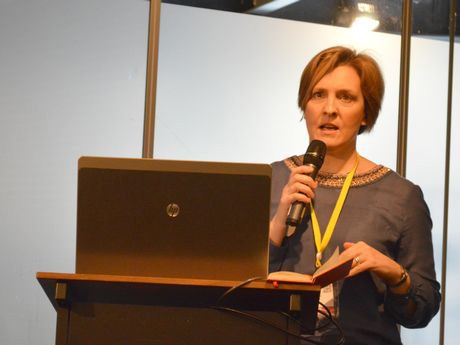
"The UN Millennium Goals state that modern slavery must end before 2025. This is in eight years," says Marion. "We will hear more about this in the future." Governments at various levels have taken measures to force companies to care about this problem. Large British companies are required to have a document on their website which describes what is actively being done at this point and what procedures will be followed if a business is participating in modern slavery. The British are not alone in this. California, Australia and France have produced legislation around this topic. In the Netherlands a legal proposal has been accepted which mainly tackles child labour.
Everyone online
"It is important to know how the staff are being treated and how they are being paid," continues Marion. This ethical stance is also directed towards other parties in the chain. "Soft fruit is a popular category in the supermarket, but the image can be damaged by ethics questions. Bad stories affect the entire sector." Thanks to rapid communication, abuses can be revealed more quickly. "Everyone has a smartphone and can take a picture."
A report from 2014, when Greek growers shot 28 Bangladeshi strawberry pickers, shows how serious this can become. The workers had asked for wages that were late by several months. A campaign around 'blood berries' could have damaged the entire sector's image for years. "It's more painful for companies to respond than to proactively work on it." The defence of ignorance is no excuse. In British law there is a 'duty to know'. Companies are supposed to know how workers are treated. Including among suppliers.