Minister of Agriculture and Irrigation, Jose Hernandez Calderon, continued his tour of the areas of Piura that were affected by the rains and floods. He met with producer organizations and announced that the government would start delivering the bonds, of S/ 1,000 per hectare damaged, within 10 days.
"We are conducting a registration process of those affected in close coordination with local authorities and irrigators. We'll start delivering this help in 10 days and we are working on the legal standards necessary to expedite it. The registry is being compiled very quickly and can be verified with the help of satellite technology to collect information from the areas that lost crops," he said.
Minister Hernandez also said that the Ministry was working to expand the coverage of the agricultural insurance against catastrophes (SAC), as well as the scope of its application, to extend the benefits to a greater number of farmers whose crops have suffered the ravages of nature.
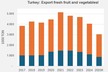
Hernandez said that the grape and mango harvest in Piura had ended before the onset of the rainy season and that the producers of these products had not been affected by the climate. "Agricultural exports were not significantly affected by rains. We will continue to place our agricultural products in the markets," he said.
Produce and Infrastructure
The situation in the North of Peru: Piura, Trujillo, Chiclayo is very hard. The infrastructure has been damaged severely. However also South of Lima, big areas are suffering under the same abnormal circumstances.
This is affecting freight transport across the country. As mentioned above, numerous big and smaller roads have been damaged, with a total of 2,148 kilometres already estimated to be in poor condition. The Government has had to open secondary alternative routes to try to maintain the traffic flow. According to sources in the Peruvian newspaper El Comercio, these alternative routes are being closely monitored, as it is still raining and they are not prepared for a large influx of traffic.
"All this is hurting and at least disrupting the produce business. Crops are damaged or can not be harvested and packing facilities can not be reached or are not functioning because of power failures or are flooded. Clearly this means for us as well a uncertain situation concerning deliveries," explained a grower.
Social Aspect
As noted above, many people have been affected across the country to varying degrees. There are many families who have been left isolated in their homes during the floods, with no electricity supply or access to running water. Other families have been separated by the floods, with some members being drawn away by the water in their attempt to escape or to seek help.