Ag industry discusses challenges to Central Australian horticulture
Farmers, industry, government and traditional owners all shared their thoughts about the local industry at the NT Farmers Food Futures Roadshow in Alice Springs.
But there was also optimism about making changes to fix problems, such as creating a Central Australian growers group and streamlining the seasonal workers program.
Paul McLaughlin from Desert Farm in Ali Curung welcomed the idea of a local group saying, "Down here you get missed out a lot, so it would be good to have a group so we can voice our concerns and opinions and put our ideas forward," he said.
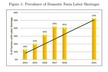
Mr McLaughlin said labour was becoming a bigger issue as well that needed to be tackled. Most employers in the Northern Territory, as previously the industry was 90 per cent reliant on backpacker workers, which then changed after last year's uncertainty around the backpacker tax.
"They're coming back, but they're not staying for full seasons, they're just coming for a few weeks, so you're retraining [them] sometimes two or three times during the season," he said.
"No-one can predict the climate, sometimes crops come in two weeks earlier or two weeks later, but you've got to do this work plan 12 weeks before you want the labour."
Jo Townsend, CEO of the Northern Territory Department of Environment and Natural Resources, said the Department was aware of concerns surrounding water from growers, cattlemen and the public, and was working on getting more certainty.
"One of the ways we're doing that is to reinstate water advisory committees and water allocation plans," she said.
"There is a finite amount of water [and] how groundwater is used is critical to how farming will develop," he said.
source: abc.net.au