Dutch research centre to perform market study on Croatian agriculture
The initiative has been launched together with the Food and Agriculture Organization of the United Nations (FAO) and the Ministry of Agriculture, and with the support of the Croatian Association of Young Farmers, reports Jutarnji List on March 8, 2017.
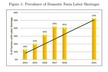
"Vegetable production is not sufficient for the needs of the population, and it is especially not sufficient for the purposes of tourism, food industry and export opportunities. According to some estimates, with the exception of mandarins and cherries, domestic production does not meet even 50 percent of domestic demand.
The first step, according to the EBRD director for Croatia, Slovenia, Slovakia and Hungary, is to prepare a market study, which will be done by the University and Research Centre in Wageningen in the Netherlands which will focus on identifying the varieties of fruits and vegetables that have the greatest potential for Croatia and international markets, taking into account consumer preferences and changes in their habits.
A major problem for Croatian fruit and vegetable sector is its very low productivity. In Croatia the yield of apples, the most important fruit in Croatia, is around 10 tons per hectare, while in France it is 37 tons, in Austria 91 tons and in Slovenia 36 tons.
source: total-croatia-news.com