Kurdistan imports $7.7B in fruit & veg in a decade
“If the government had allocated just 10 percent of its budget to agriculture there wouldn’t have been the need to import that much fruit and vegetables,” Anwar Omar, head of planning and follow-up department at the ministry of agriculture told Rudaw.
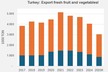
Data from the agriculture ministry shows that between 2004-2014 the Kurdistan Region imported $7.1 billion worth of fruit and vegetables from abroad, mainly from Iran and Turkey.
Omar believes that except for lack of government funding, the Kurdistan Region has all the elements needed to become self-sufficient.
“The Kurdistan Region has the manpower, expertise, land and climate required to produce those products and we have the right plans for it too,” he said. “But the problem is the small size of the budget dedicated to us.”
The ministry needs $1.3billion to set into motion its new five-year plan, officials say, but the ongoing financial crisis has dried up any hope for funding to come from the government. This follows multiple past initiatives which also lacked funding.
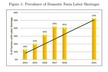
The ministry says that Kurdish farmers have only been able to supply 20 percent of the region’s demand for fruit and 50 percent of vegetables, thus forcing the market to resort to imports to meet the demand.
source: rudaw.net