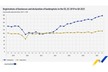
Statistic from ACC and WorkSafe reveal that the rate of injuries in the horticultural sector soar during the main growing season; injury rates begin climbing sharply in January and peak between February and April. Last year alone, 124 people were severely injured in horticulture, with an additional 1,173 suffering less severe injuries.
The most common cause of injuries is falls from a height, including from ladders, stepladders and trees. Other causes of severe injury and death include being struck by a moving cherry-picker, catching limbs in machinery and vehicles touching power cables.
Al McCone, WorkSafe's Agriculture Programme Manager, said harvesting of fruit crops at a height, fatigue and the large influx of seasonal workers, all contributed to the significant spike in injuries.
Although horticulture had a lower incidence of accidents than pastoral agriculture, Mr McCone said the injury rates at this time of the year underlined the need for growers to take care during busy times.
"I think there is greater understanding in the horticulture sector about the basics of keeping people safe because horticulturalists are more familiar with systems, audits and policies through involvement with programmes such as Global GAP and through being more closely involved with the import and export process," said Mr McCone.
"However this sharp seasonal increase suggests growers need to review how effective their health and systems are during their busiest times."
For more information on keeping growing operations safe, please visit www.saferfarms.org.nz
Source: Bay of Plenty Times/ nzherald.co.nz