In 2026, the Panamanian pineapple market will maintain a dynamic market due to growth in air freight, stable demand in Europe, and an increasingly clear differentiation in terms of quality and flavor compared to other suppliers. However, the segment also faces challenges when it comes to consistency and reliability in the supply.
 © Ananas Panamá
According to Alessandro Pataro, CEO of Ananas Panama SA, the company has managed to grow compared to the previous year, mainly thanks to improvements in infrastructure. "Our production has increased by about 15%, and we've had a new packaging system installed to be better prepared to meet the needs of the export market," he says.
At least in this case, the sector remains clearly focused on air freight. Some shipments occasionally go by sea, but those are the exception. "Our focus is on air shipments," says Pataro, noting that this makes it possible to maximize value thanks to the quality of the product.
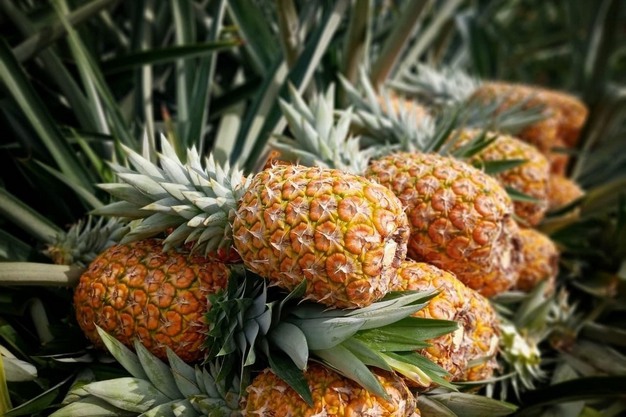 © Ananas Panamá
In terms of volume, the company produces 37,000 kg per week. Around 10,000 kg are shipped to Europe, which represents a 60% growth compared to 2025. This increase in exports is the result of a stronger demand than expected. "Our initial estimations pointed to a smaller market; however, demand has exceeded expectations and customers are increasingly seeking air freight pineapples from Panama," he says.
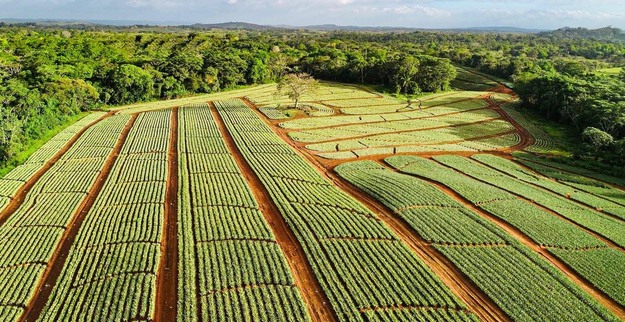 © Ananas Panamá
"Beyond the fruit's organoleptic characteristics, one of the challenges in the air segment is achieving a consistent supply. Obtaining fruit with such specific features for this channel is not easy, and that limits the number of suppliers able to deliver it consistently. In this context, in addition to quality, the focus is on consolidating a reliable and consistent supply, something that is still challenging today both in Panama and in other countries in the region. Such gaps in the supply chain partly explain the strong demand for air freight pineapple in international markets," says Pataro.
Europe remains the main destination, with some sporadic trials in markets such as Qatar and interest in seeking opportunities in Canada. However, the focus remains on the European continent, where there are still opportunities for growth.
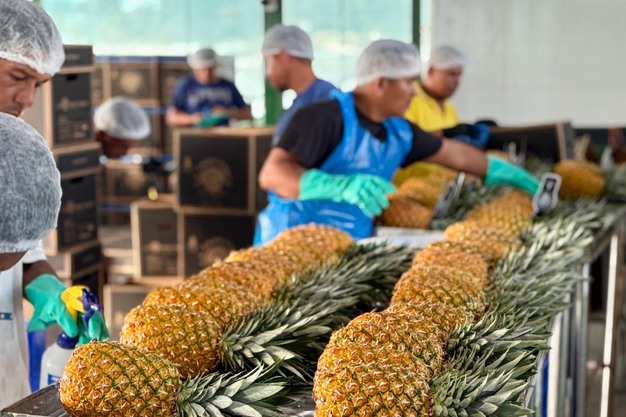 © Ananas Panamá
International demand for premium pineapples has remained stable, although the geopolitical situation has put pressure on costs. "The increase in oil prices has had an impact on fertilizers and fuel, and this is taking a toll on production costs," says Pataro. Despite this, sales prices haven't changed significantly in the air freight segment and continue to be attractive.
One of the main competitive advantages of Panamanian pineapples is their organoleptic profile. "Panamanian pineapples stand out for their greater sweetness. This is even more noticeable for the fruit shipped by air," he says. This is allowing the country to position itself in a differentiated niche compared to large producers such as Costa Rica, whose volume in the sea freight market influences the formation of global prices.
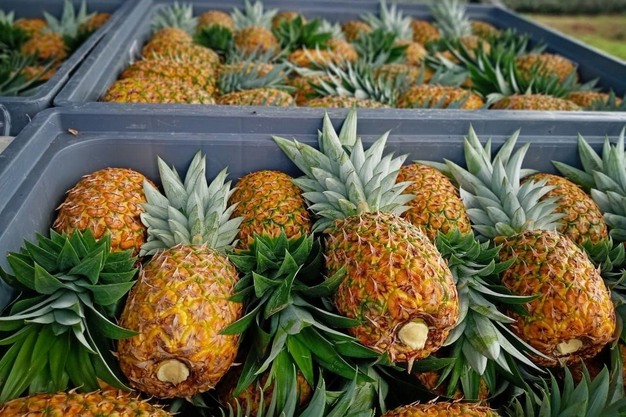 © Ananas Panamá
However, cost increases cannot always be passed on to the end customer, and this puts pressure on profit margins. "Profit margins have been slightly reduced," says Pataro.
For the remainder of 2026, the outlook remains positive, with the prospect of continued growth in air exports. "Pineapple supply is currently outstripped by demand," he says.
 For more information:
Alessandro Pataro
Ananas Panamá SA
Panamá
Tel.: +507 6678 7064
[email protected]
www.ananaspa.com