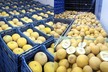
Tanzania is introducing an initiative to increase domestic apple production, aiming to reduce reliance on imports despite suitable growing conditions in several regions. The government plans to distribute 600,000 improved seedlings and train farmers as part of efforts to develop the apple sector.
The government has outlined a plan to expand production, citing growing demand and continued dependence on imported fruit. Agriculture Minister Daniel Chongolo, presenting a 1.1 trillion shilling budget for the 2026/27 fiscal year, stated that Tanzania imported nearly 1,482 tons of apples by March 2026.
"Our Northern Zone, Central Zone, and Southern Highlands provide perfect conditions for producing high-quality apples that meet international standards," Chongolo said. "Yet for years, we've depended heavily on foreign supply. This must change."
The initiative is positioned as an opportunity to expand agricultural activity, including among youth and women, while reducing import volumes. Authorities expect increased apple production to contribute to foreign exchange generation.
The Tanzania Agricultural Research Institute (TARI) and the Centre of Phytosanitary and Research Authority (COPRA) will produce and distribute 600,000 improved apple seedlings to farmers in key regions. Training programs will target 2,400 farmers and 50 extension officers, focusing on cultivation practices.
The ministry is also working to formalise the sector. COPRA is set to register 8,261 apple growers, with the aim of improving service delivery and traceability across the value chain.
The move comes as fruit consumption rises across East Africa, supported by population growth and changing consumption patterns. Countries in the region are also working to reduce reliance on imports, which are exposed to supply chain disruptions and currency fluctuations.
Apple production is also being considered within climate adaptation strategies in highland areas where other crops have faced weather-related challenges. Orchards, once established, can remain productive for extended periods, providing income over time.
"An apple is more than a symbol of affection; it is a high-value business with lasting economic benefits and a legacy we can pass on to future generations," Chongolo said.
The initiative aligns with broader efforts to diversify agricultural production beyond traditional export crops and develop horticultural sectors for domestic and regional markets.
Challenges remain around technical knowledge, cold chain infrastructure, and market access, which are required for the sector to develop further.
Source: Tanzania Insight