A recent trip to China, organized by a South African bank for around fifty South African farmers to meet the people manufacturing so much of what they use, was a revelation, says Carl van der Merwe, scion of one of South Africa's oldest family farms and managing director of Boplaas 1743. "The China trip opened our eyes a bit: why must a new tractor cost, for example, R600,000 [€31,280] but you can have multiple versions from China for R200,000 [€10,400]?" he asks. "When you walk around in China, you realise there's no need for the sole importer model. Everyone is a customer. They tell you: 'We want the path to be shorter'."
Direct trading with China is undoubtedly going to affect the input side of their business, he observes. On the original homestead in the Koue Bokkeveld, they grow apples and pears, while the Simondium farm only grows citrus, surrounded by mostly stonefruit on neighbouring farms.
To what degree they can remove the middleman on both the input and the selling side is a question to which they're keen to find the answer, and finding a similar synergy with European partners would be ideal.
 © Potentieel
Taking back control of packing costs
Take packaging, for example. Due to a paper shortage two years ago, the cost went up significantly, and it hasn't come down again, adds his colleague David Bodkin, packhouse manager. While the rate of increase has slowed down since, it's still inching upwards.
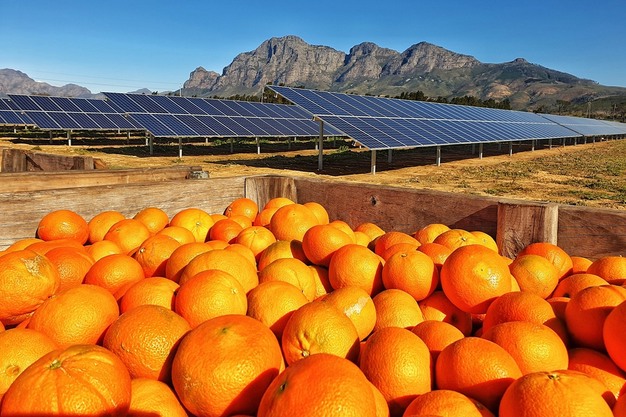
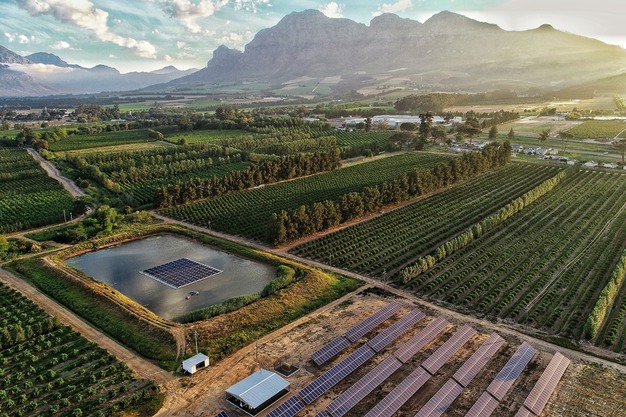
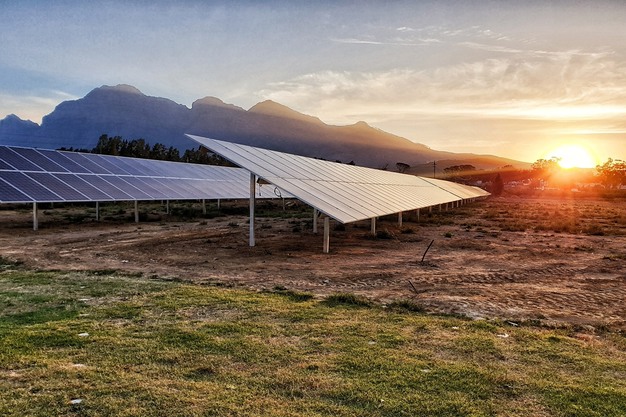
Through building their own packhouse and high-profile floating solar panels, they attempted to wrest back control over their energy costs. "Today we have it fairly under control," Van der Merwe notes, "but packing material is unfortunately not under our control. Ten years ago, the cost of a carton was a quarter of the price today, but the selling side doesn't show this increase."
They've been talking this over with their exporters: Is paying an additional R10 to R15 (€0.78) per carton, recommended by exporters and growers' associations, worth it? "To put it into context: a standard citrus carton costs us approximately R23 [€1.2], excluding any other packing material. In many international markets, the fruit is repackaged to final packaging, and the original packing material is discarded. We've been going over all of the packaging requirements and asking, is this label and this wrapping and this type of carton really necessary? Is it worth wrapping every second fruit in open display when it simply gets ripped off and re-done?"
He continues: "We're seeing if you're going into a market where price is under pressure, what you can do about packing material has a huge effect on the return."
Using less cardboard in the carton, while still complying with the Citrus Research International packaging standards – those requirements are going nowhere, Bodkin remarks – and new technology to make stronger paper, offer potential solutions.
Another solution is direct trading with China. Boplaas 1743 Estate has a 75% share in Chroni-co that cultivates medicinal cannabis exported in its final packaging, and in that division, they have fully moved to buying packaging, complete with labels, from China. "It's cheaper, and the quality is good. At first, we thought it would hold us back, waiting for imports to arrive, but direct trading has turned out to be very quick, just a couple of days."
 © Boplaas 1743 Estate
"We need to figure out a plan for the US"
The United States tariffs on soft citrus have hit them hard, Van der Merwe says. "The only reason we were so focused on the US is that we don't have blackspot," adds Bodkin. "It will have a big impact. All of our product to the US was soft citrus."
The price for soft citrus has been better in America, and they will still send it there, but inevitably, the focus will broaden. "However, if we sent everything to the EU and the UK, we'd flood the market. We do need to figure out a plan to send that fruit somewhere."
Despite this setback, they report significant increases in pricing on citrus in 2025, and they're looking forward to the same in 2026. "We had a very good citrus season," Bodkin remarks.
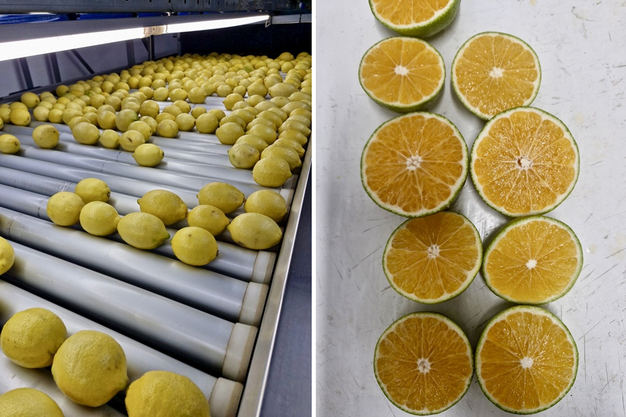
During the months of June and July, this is the district with the highest rainfall in South Africa. "With the heavy rains, we can't harvest anything in those two months, and we took out those blocks, focusing more on the earlier varieties for harvesting in April and May, the Nules and Eureka lemons on one side, and then in August, Nadorcott and Tango plus the second lemon crop on the other side."
Another major climatic factor of the Simondium district is the south-easterly wind they experience from November to February. Apart from wind damage, which can be ameliorated through windbreaks and seasonal pruning, spraying cannot be done on windy days, and spray programmes fall behind, Van der Merwe explains.
 © Boplaas 1743 Estate
Seedless lemons not yet a clear winner
Despite these two constraints – rainfall and wind – an average crop of 100 tonnes from an Eureka lemon orchard is not out of the ordinary. "In a few small markets, seedless varieties bring in more money, but what we've seen is that in many markets there's not much differentiation, and you don't yet get the benefit from seedless to make up for the lower yield. I think it will come," Bodkin says, "but at the moment we see no benefit to having seedless lemons in our system."
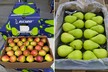
The original Boplaas homestead is in the Koue Bokkeveld, growing apples and pears. "Last season was the first time that we brought those apple and pear bins to this packhouse, even though it's not built for that, and it worked out perfectly."
It feels like they've entered a new phase in the business, Van der Merwe observes, and they have lots of ideas for the 2026 season, among them to take the marketing reins into their own hands. "It's just getting over the fear of the unknown."
 © Boplaas 1743 Estate
 For more information:
Carl van der Merwe
Boplaas 1743 Estate
Tel: +27 23 317 0040
Email: [email protected]
https://boplaas1743.co.za/