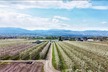
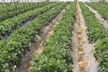
The cherry season is going rather well for the Sicoly cooperative. "It is hot, but still manageable in terms of production. We are well equipped to ensure that the temperature in the orchards remains acceptable," explains Jean-Bernard Cherblanc, director of the Fresh Fruit sector at Sicoly-Sicodis. "We also benefit from good quality cherries, with relatively good volumes, as we are reaching 70-80% of our harvest potential. And luckily, our production was not affected by last week's heavy storms."
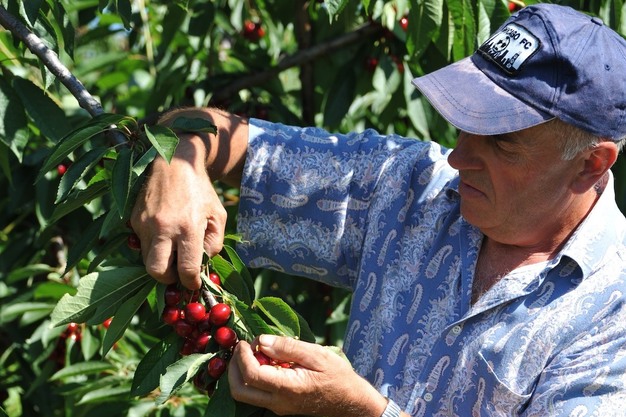 © Sicoly
Little export demand, but prices remain reasonable
Sales were quieter around two weeks ago, but the market now seems to be fairly balanced. "People prefer to turn to fruit such as peaches, nectarines, watermelons, and melons during heat waves. Prices are still good, but obviously much lower than last year, when the supply was very limited. We initially thought that there would be more exports this year, given the harvest forecasts that had been announced beyond France's borders, but in the end, there are still enough local cherries."
The advantage of a 2-month campaign for customers
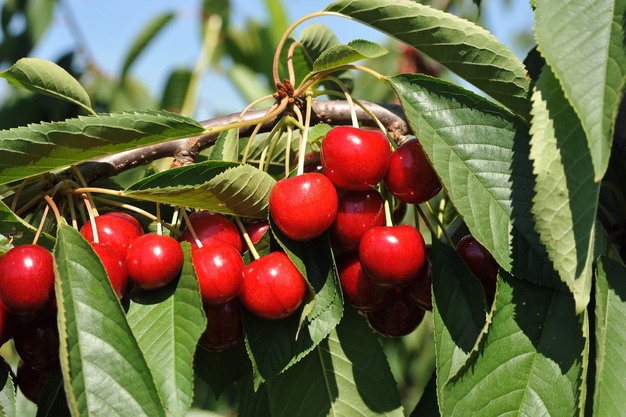
With its 150 ha of cherry orchards, the Sicoly cooperative expects to finish the French cherry season at the end of July. "This will be a 2-month campaign. We are currently at the peak of the season in terms of production, which will taper off slowly from mid-July onwards. With our range of varieties and the different altitudes of our production areas, we manage to have a relatively long season. This is an advantage for our customers, as it means they can stay with the same supplier throughout the season."
 © Sicoly
This year's CQLP approach is making the most of cherry sizes!
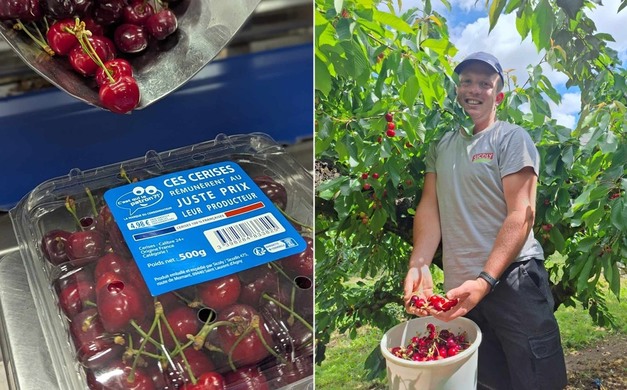
New this year are the small-sized cherries being marketed via the C'est Qui le Patron? (CQLP ?!) approach. It has been a very promising test year. "We are doing a good job of promoting small sizes with CQLP ?! Most retailers have been with us from the start and continue to buy CQLP-branded cherries throughout the campaign. We really see a great dynamic around the approach and we are within the volume targets we had set ourselves. We had a visit from our client members last week, who were delighted to discover the orchards and the station, as well as the work that goes into production. It is a time when we are 100% transparent so that consumers can be sure that the growers actually receive what they should through the process."
 © CQLP?!
Protecting against Drosophilia Suzukii with effective solutions and adapted orchard management
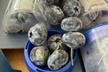
As far as Drosophila suzukii is concerned, the problem is present but remains manageable. "We are starting to see a few in the orchards, so we remain very vigilant when it comes to harvesting and packaging. While we lack the chemical means, we do have effective mechanical means of combating the fly. As it is attracted to very ripe fruit, we also need to monitor the harvest carefully and be rigorous in sorting to avoid creating outbreaks and being overwhelmed. It is also important to adapt our orchards because single-variety, self-fertilizing orchards laid out in islands allow us to harvest in a single pass. This avoids differences in ripening with more advanced trees likely to attract the fly, which would then contaminate the others. Of course, this is not easy. We can no longer produce according to the same model as before, but we do have effective solutions, and we need to learn to live with them and protect ourselves from them."
For more information: © Sicoly
Jean-Bernard Cherblanc
Groupe SICOLY-SICODIS
[email protected]