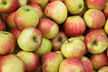
Armenia continues to grapple with domestic agricultural production shortfalls despite the recent proliferation of greenhouses and intensive orchards. An increasing share of the Armenian harvest, particularly apricots, cherries, tomatoes, and strawberries, is destined for export markets.
This export emphasis, as highlighted by Armenia's Statistical Committee, has resulted in rising domestic prices. Vegetable prices in April 2025 were 17.9% higher than in April 2024, while fruit prices increased by 7.9% over the same period. Together, these account for 8.28% of the consumer basket.
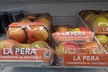
Local consumers seek cost-effective produce options, often opting for imports due to their competitive pricing. Vendors in Yerevan markets report difficulty distinguishing between imported and locally-grown produce, a situation echoed by vendor Lida. She comments, "I was told that a large share of local produce is exported, mostly to Russia. And so we have to import to avoid shortages on our own markets."
Another vendor, Khachatur, observes that despite being located in a fertile land, Armenia's reliance on imports has increased. He notes customers frequently choose produce based on appearance and price rather than origin: "I show them the locally grown stuff, usually set out next to it, and it's a bit more expensive. I say, 'Our fruit and veg taste better.' They reply, 'What about the look? What about the price?"
Factors contributing to the local produce cost include a lack of seed selection stations, a shortage of professional agronomists, and challenges posed by climate change, explains farmer Harutyun Mnatsakanyan. He notes automation in foreign agriculture lowers costs, as demonstrated by mechanized carrot production abroad, making imports cheaper than local goods.
Mnatsakanyan calls for professional intervention to address these issues, asserting: "There's no clear agricultural development policy. When there's no macro-level vision for advancing the sector, you end up with the kind of situation we now have."
Source: Jam News