The reopening of the U.S. market for Spanish peppers this winter has marked a turning point for the fruit and vegetable sector in Almeria. After a period of uncertainty due to the phytosanitary risk associated with Ceratitis capitata, trade relations are back on track, and the first shipments are already on their way to North America. For the 2025/26 season, only three Andalusian marketing companies, Agroiris, Zoi, and Freshcover, have official authorization to export; a testament to the protocol's technical demands and the growing investment required.
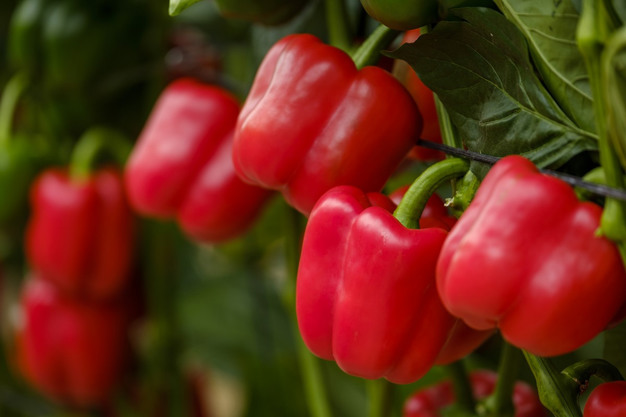 © Coexphal
This has been confirmed by Coexphal, which has announced that commercial pepper shipments to the United States will be allowed from December 1, 2025, to April 30, 2026; "a period in which the North American market demands a high-quality product, with phytosanitary guarantees and scrupulous traceability."
A market that's becoming increasingly demanding each year, but also strategic because of its marketing period
"The United States offers good prices, but above all, it's also an alternative to Europe, especially since the closure of the Russian market in 2014," says Luis Miguel Fernández, manager of Coexphal. Last year, despite the three-week stoppage in January, Almeria-based companies managed to export more than two million kilos, mostly of bell peppers.
And this season, the three authorized companies have had to update all the requirements from the American APHIS to guarantee that shipments are completely free of Ceratitis capitata, thereby promoting investment in certifications, documentary controls, phytosanitary measures, and inspection protocols.
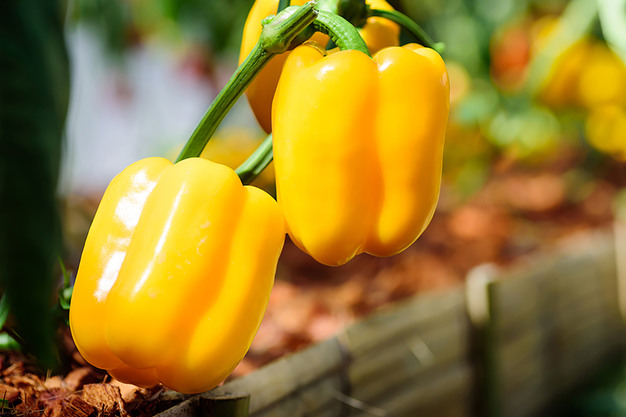 © Buppha Wuttifery | Dreamstime
Zoi, based in Pechina, is one of the companies that have managed to stay at the forefront in this market, following a long history of exporting to the North American market. Its manager, Adelina Salinas, says that obtaining and maintaining the North American certification is becoming increasingly difficult, but it's also strategic.
"In recent years, we have been very focused on the North American market, where very few companies are certified to export bell peppers. Each season, the requirements are costlier and harder to comply with, and just like last season, they have been updated again, making the protocol more rigorous with the addition of new measures that we've needed to enforce."
Added to this is the need to renew certifications annually, a process that involves internal and external audits, adapting to legislative changes, and the constant revision of biological control, traceability, and food safety measures.
Despite all this, the U.S. market continues to offer a unique advantage: "its commercial window. In December-April, the United States receives less supply because its natural providers, Mexico and Canada, are unable to supply the entire volume demanded by the market, while in Europe, this period coincides with peak production. Exporting there gives us an alternative to our natural market at a time of greater pressure, and we can offer a quality product at a time when it's really needed."
"North American clients particularly appreciate two aspects of Almeria peppers: the health and food safety guarantees offered by European legislation, which other origins cannot match, and the stability and security provided by the companies working with the protocol every year," says Adelina.
 © Govindji | Dreamstime
"For our clients, it's very important to have the certainty that, regardless of how the protocols are updated, we'll still be there, and being part of the group of companies authorized year after year is a sign of trust and continuity."
For his part, Luis Miguel Fernández, of Coexphal, has confirmed that the companies participating this year have the capacity to maintain the volume of past campaigns, "and even increase it."
For more information: Zoi Agrícola
Tel.: +34 950 317 600
[email protected]
http://zoi.es
Coexphal
Tel.: +34 950 62 11 62
[email protected]  www.coexphal.es