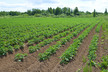
Kazakhstan expects one of its largest potato harvests in years. By early September, farmers had collected 907,000 tonnes. The Ministry of Agriculture projects a total of 2.7 million tonnes, well above the country's annual domestic demand of around 2 million tonnes. Sown areas in organized farms expanded by 11,000 hectares this season, boosting supply.
Wholesale prices at the farm level now range from 90 to 120 tenge per kilo(€0.18–0.24), while retail prices average 194 tenge/kg (€0.39), nearly 4% lower than the previous week. Officials also predict that by spring 2026, retail prices will stabilize around 185 tenge/kg (€0.37), ensuring affordability for consumers.
With no risk to domestic supply, the government lifted export restrictions on July 28. Technical issues with phytosanitary certificates, which temporarily blocked shipments in August, were reportedly fixed. On September 4 alone, certificates were issued for 131 rail wagons carrying 8,704 tonnes to Uzbekistan. The ministry estimates an export potential of 450,000 tonnes this year, assuring it will not affect the local market.
Yet growers say the reality is different. The Potato and Vegetable Growers' Union reports that many farmers still struggle to obtain certificates on time. As a result, early-harvested potatoes, which cannot be stored long, risk spoiling in wagons. Farmers warn that if exports remain stalled, prices will drop below production costs. Some may cut planting next season.
Union representatives also caution that Kazakhstan risks damaging its reputation with foreign buyers. Uzbek partners, who already dispatched wagons for loading, expressed frustration when shipments were delayed. Similar complaints arose last year, when delivery obligations were not met on time.
While the Ministry insists the problems are solved, growers remain skeptical. They argue that unless administrative procedures become more reliable, Kazakhstan could lose traditional export markets, even as production volumes hit record highs.
Source: www.nur.kz / rus.baq.kz / knews.kg