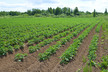
The Ministry of Agriculture, Food Security, and Nutrition in Lesotho is reviewing its decision to ban imports of potatoes and cabbage, following reports of reduced supplies from local farmers. Principal Secretary Thabo Moleko confirmed the possibility of lifting the ban, while noting that the situation with eggs remains different, as they are still in abundance across the country, with storage facilities overstocked due to low demand.
The restrictions on potatoes, cabbage, and eggs were introduced two months ago to protect local farmers, with the Ministry stating that production levels were sufficient to meet domestic demand. Moleko explained that the policy was based on data collected from district coordinators and marketing offices, in coordination with the Lesotho National Farmers Union (LENAFU).
"Based on data received from our district coordinators and marketing offices, we were informed that we had sufficient supplies of these products," Moleko said. He added that the ban helped local producers sell their crops domestically, even though some losses were reported.
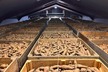
Eggs, however, proved more challenging. Large quantities remain unsold after consumers resisted higher prices. "At first we suspected smuggling activities around the borders, but after engaging with the Revenue Services of Lesotho, we discovered that inflated prices were the main reason for poor egg sales," Moleko said. He noted that some producers raised prices, expecting consumers to buy due to the import restrictions, which have left sheds full of eggs.
The Ministry is conducting studies to determine when and for how long the ban should be lifted, with approval dependent on whether farmers still have produce to sell.
The private sector has voiced caution. Lesotho Chamber of Commerce and Industry (LCCI) Chief Executive Officer Fako Hakane said decisions to close off imports should follow thorough assessments. "I believe there is still a long way to go before deciding we can close off borders. It is wise for the government to engage further with the private sector, such as the LCCI, to obtain accurate statistics before coming to such decisions," Hakane said.
He emphasized that Lesotho lacks sufficient mechanisms, such as crop rotation or large-scale greenhouse production, to guarantee a year-round supply. "Until such a time we have a massive expansion of greenhouses to sustain us throughout the seasons, we advise the government to refrain from acting against imports," he said.
Hakane added that potato production has potential due to Lesotho's fertile soils, but stressed the need to document yields and preserve data to support long-term sustainable farming practices.
Source: Lesotho Times