Geopolitical tensions in the Middle East, particularly between the United States and Iran, are continuing to affect global logistics markets through higher fuel costs, risk surcharges, and capacity pressure.
According to Shypple, while the sector has already adapted to longer transit times caused by rerouting around the Cape of Good Hope, the current market environment is adding further pressure on freight costs and supply chain planning.
The company said freight markets remain volatile. Asia-Europe rates are declining on some routes as carriers lower prices to fill vessels, while rates from India and the Middle East continue to rise. Fuel and insurance costs are also increasing through higher Bunker Adjustment Factors and War Risk Surcharges.
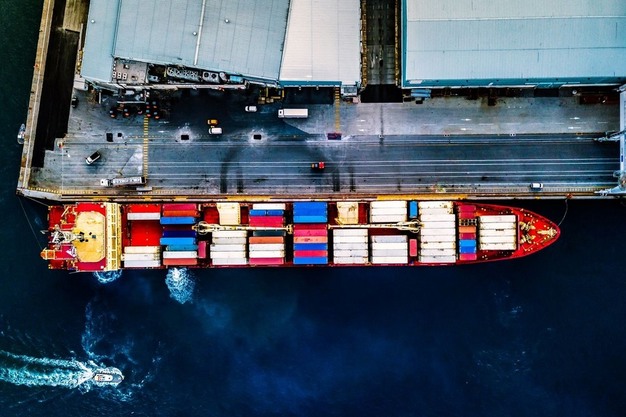 © Shypple B.V.
Shypple procurement analyst Dennis Wietsma said importers are increasingly being forced to choose between long-term contracts with added surcharges or volatile spot markets.
"Do you opt for the security of a long-term contract, knowing you will still pay emergency surcharges on top of it? Or do you dare to ride the volatile spot market, where rates might drop, but you pay top dollar the moment a new geopolitical escalation occurs?"
According to the company, one of the biggest operational challenges is unreliable ETA data from carriers. Shipping lines are still calculating transit times based on former Suez Canal routing, resulting in delays being added later in the shipment process.
"In a market where shipping lines offer less control and transparency, independent track & trace is no longer a luxury, but a necessity," said Tim de Groot.
The report noted that many non-food importers are moving away from just-in-time logistics and building inventory buffers of up to three months to reduce supply risks.
For fresh produce importers, however, long-term storage is not an option. According to Shypple, refrigerated cargo sectors such as fruit, vegetables, and plants are relying more heavily on fixed shipping allocations and stable trade routes from Central America and South America.
Shypple account manager Lesley van de Water said real-time shipment tracking is becoming increasingly important for supply chain management.
"You can't prevent changes from happening, but thanks to the tracking, you can adjust immediately."
 For more information:
Shypple
Tel: +31 10 600 2500
Email: [email protected]
www.shypple.com