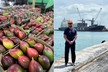
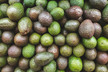
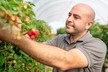
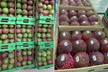
The mango season in Senegal looks promising, with green indicators in terms of production and an exceptionally favorable market position. This year, the West African mango season is essentially down to the Senegalese season, due to production problems in Côte d'Ivoire and Europe's continued shunning of Malian mangoes. However, the threat of the fruit fly hangs like a sword of Damocles over the Senegalese industry, with close European scrutiny of shipments officially announced ahead of the season. Ndoye Selle of FNS Agribusiness shares his insights.
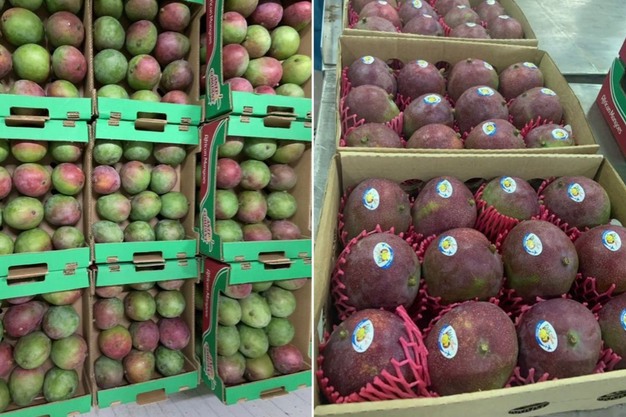 © FNS
© FNS
The grower indicates that the first harvests in Senegal are expected between May 20 and 25 in the south and center of the country, with the Niayes region following in the second week of June. He adds: "Weather conditions have been unstable. The most recent incident was a spell of fog that caused a significant drop in some regions. But on the other hand, fewer fruits on the trees means larger calibers."
Despite these disruptions, the overall outlook for the season remains positive so far, according to Selle: "We are seeing good flowering and fruit set, and the fruits are now sizing up. We expect a good season in terms of both volume and quality."
The fruit fly, however, remains the sector's most pressing concern. "The entire value chain, with government support, is mobilized to tackle this issue. We will focus primarily on appropriate treatments, proper harvesting conditions, and on-site sorting of affected fruit as soon as it is harvested," Selle adds.
On the commercial front, the outlook is equally favorable, according to the grower. "Mangoes from Mali remain banned in Europe, and Côte d'Ivoire has seen a decline in volumes due to production conditions. Mangoes from Senegal are therefore highly anticipated in the market," the grower explains.
With calm competition, the industry is setting its expectations high. "We are on track to exceed the 30,000 tonne mark in mango exports, compared to 19,000 tonnes last year. We have a volume target, but we want to achieve it with rigor and avoid shipment interceptions," Selle concludes.
For more information:
Selle Ndoye
FNS Agribusiness
Tel : +221 7755 30148
Email: [email protected]