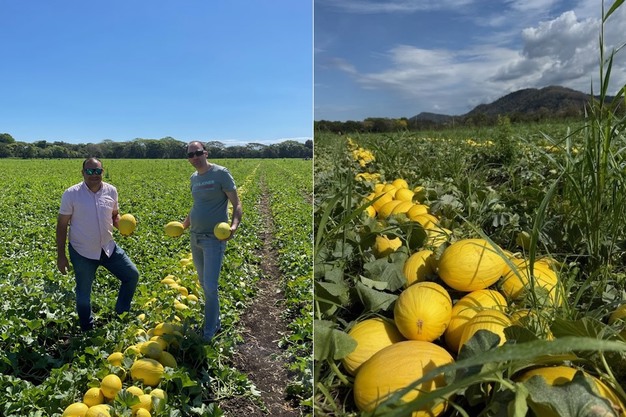
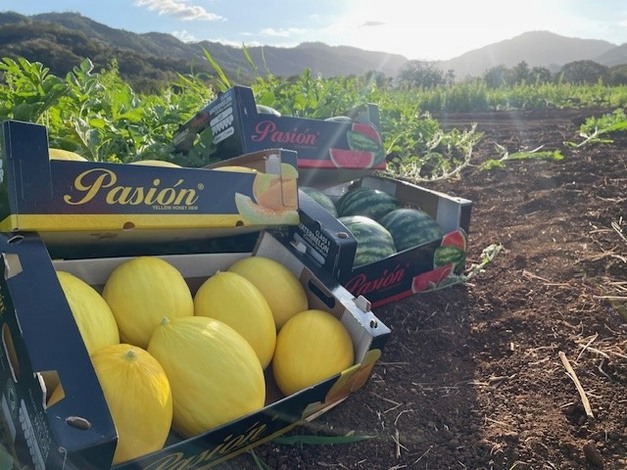
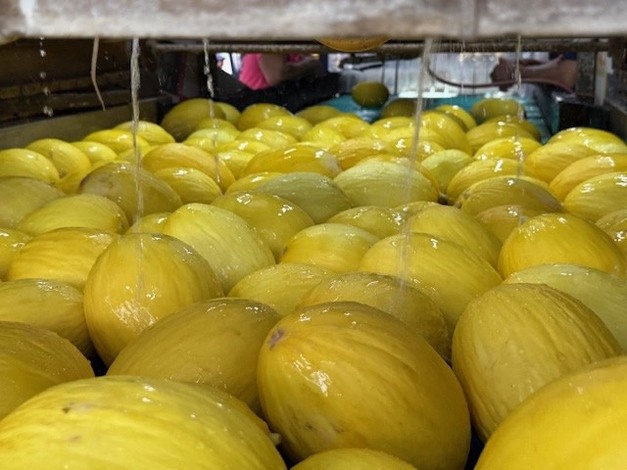
The last 11 containers of yellow melons for Carl Gottmann were loaded in Costa Rica last week. With this, the season will continue until approximately week 18. According to Martijn van Gaal, it has been a positive season overall, although challenges for the coming years are continuing to mount.
 © C. Gottmann BV
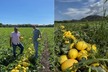
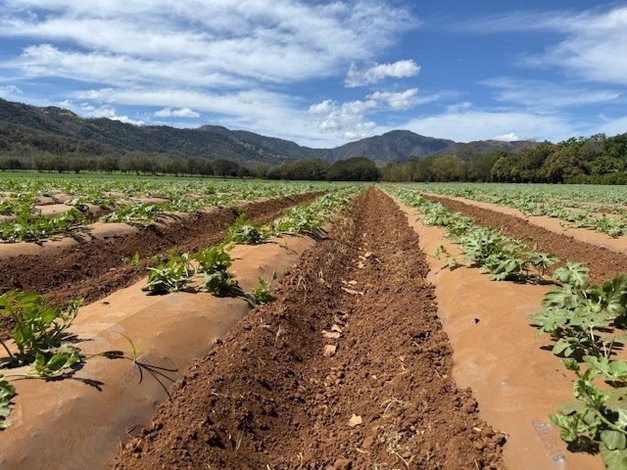
"Growing conditions were favorable this season," says Van Gaal. "With stable, dry weather, we have clearly seen better quality than last year." In the Guanacaste region, yields were at a good level, although thrips caused concerns in recent weeks, particularly in watermelons.
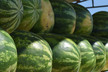
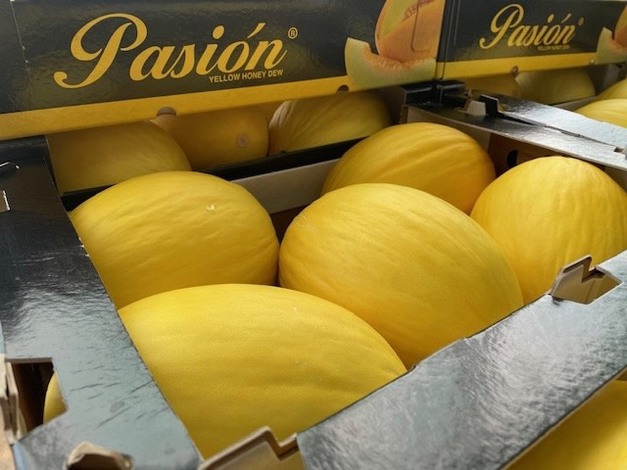
At the same time, favorable growing conditions led to a broader market supply, putting pressure on prices. "The price for seedless watermelons was around €1 per kilo, while yellow melons largely traded between €10 and €12. For the coming weeks, however, we still expect a slight price increase, partly because Spain is currently offering watermelons from Almería but does not yet have yellow melons available."
 © C. Gottmann BV
A clear trend within the segment is the growing demand for mini watermelons. "Growers and traders are looking for the right varieties that are not only commercially attractive but also deliver sufficient yields per hectare. However, production costs remain high, making this development challenging."
Panama: Quality differences and market segmentation
In addition to Costa Rica, Carl Gottmann also imports melons and watermelons from Panama. "We see that a large proportion of customers have a clear preference for Costa Rican seedless watermelons over the Quetzaly varieties from Panama. The latter mainly find their way to the Eastern European market, where price is a decisive factor."
However, Panamanian watermelons faced recurring quality problems this season, partly caused by logistical delays. "In some cases, containers remained on the quay for up to 12 days due to limited availability of shipping space. This inevitably has an impact on quality."
 © C. Gottmann BV
On the positive side, Piel de Sapo melons from Panama performed strongly. "Their quality was rated as surprisingly good by customers." The last arrivals of both yellow melons and Piel de Sapo from Panama are expected around week 19.
Cost, logistics, and currency pressure remain decisive
While the season as a whole can be assessed positively, the industry continues to face structural and partly unforeseen challenges. Mid-season, shipping lines introduced a Fuel Energy Surcharge per container. "Such cost increases are difficult to pass on, as price agreements are often predetermined and margins are under pressure."
In addition, the unfavorable exchange rate between the U.S. dollar and the Costa Rican colón had a direct negative impact on results. At the same time, costs for fertilizers and packaging materials continue to rise, with this trend expected to continue towards 2027.
 © C. Gottmann BV
Logistics also remain a critical concern. "The lack of efficient shipping routes from Costa Rica to Europe is a structural bottleneck. While parties such as Maersk and Dole Shipping Line achieve transit times of around 15 days, transit times are considerably higher with other shipping companies."
"In summary, the season has been commercially good, but the industry increasingly has to adapt to higher costs, logistical uncertainties, and changing market dynamics," Van Gaal concludes. "Demand remains strong, but the playing field is becoming more complex."
 © C. Gottmann BV
 For more information:
C. Gottmann
CGH
Tel: +31 (0) 180 620 722
[email protected]
www.gottmann.nl