The final batch of dragon fruit with artificial lights this season was sold in March, but overall market performance fell short of expectations, resulting in losses for many small and medium-sized enterprises.
 © Shengyilong
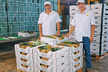
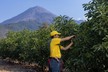
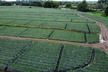
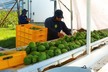
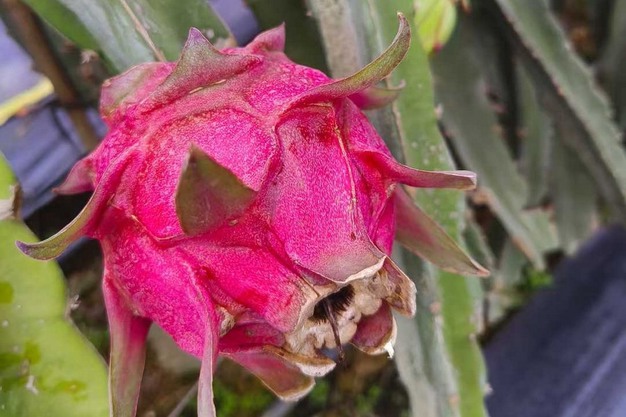
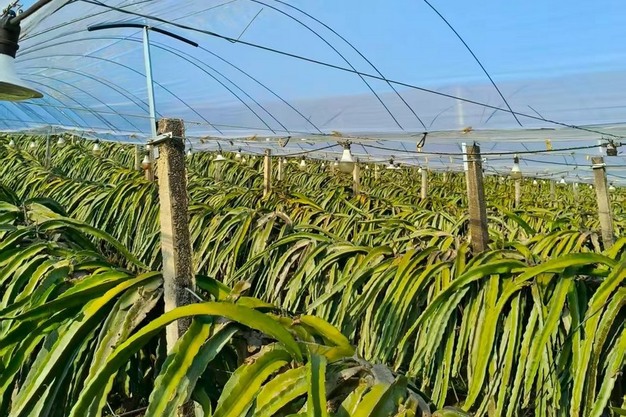
Longyisheng Dragon Fruit Base, located in Nanning, Guangxi, has a planting area of approximately 53 hectares and an annual output of about 3,000 tons of red-fleshed dragon fruit. Mr. Dong, the company's manager, explained that growers in Nanning's main production area typically begin using artificial lighting around September 20, and the harvest period for this fruit can continue until March of the following year. "However, due to lower temperatures this season, some orchards experienced leaf burn, with leaves turning yellow and plant growth being inhibited."
"Regarding sales, the industry had originally expected prices for the final two batches of dragon fruit to rebound to around ¥8.4 (US$1.16) per kilogram, but the actual harvest price fell to ¥5 (US$0.69) per kilogram, and market buying interest remained weak, making transactions difficult," Mr. Dong said. "As a result, many small and medium-sized enterprises chose to forfeit their deposits in order to reduce losses."
 © Shengyilong
Looking back at the entire production season, the dragon fruit market remained weak. Mr. Dong stated, "Before October, market prices fell to historic lows, with naturally grown dragon fruit at the orchard dropping to as little as ¥1.5 (US$0.21) per kilogram, the lowest level seen in recent years, leaving most growers operating at a loss. After the harvest of naturally grown fruit ended, the industry generally hoped that the final two batches produced under artificial lighting would help drive a market recovery. However, the market remained oversupplied, and artificially lit fruit also came under pressure." He added that many local growers have already switched to other crops.
Regarding imports, although previous reports indicated a decline in Vietnamese dragon fruit imports, market feedback suggests that overall supply has not fallen significantly, continuing to place competitive pressure on the domestic market. In addition, some large and financially stronger companies have adopted differentiated strategies this season. Due to the low prices for naturally grown fruit, some companies are removing flowers during the flowering stage in order to concentrate nutrients on later production under artificial lighting and improve yields. Industry insiders believe this strategy carries certain risks, as extremely low temperatures could still affect final returns.
 © Shengyilong
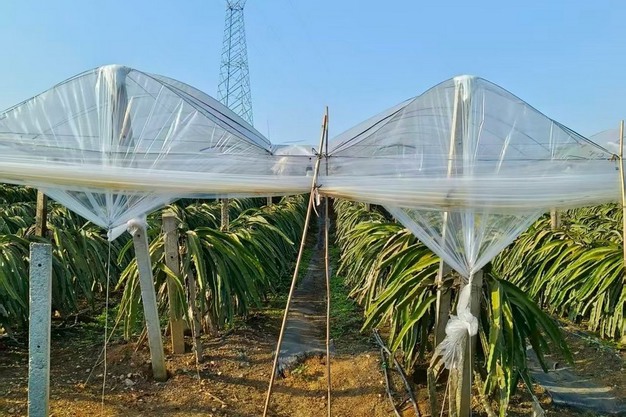
Red-fleshed dragon fruit from Nanning's main production area can reach a Brix level of 14–16, with an attractive appearance and delicate flavor, giving it a certain quality advantage. Protected cultivation is also becoming a new industry trend. Some companies in Nanning began building greenhouses at the end of September last year, using protected cultivation to delay market entry and extend the sales period into April. It is reported that greenhouse-grown dragon fruit reached as high as ¥15 (US$2.07) per kilogram last year. This year, many growers have followed with new investments, resulting in a significant increase in the number of greenhouses. However, due to the high capital requirements, these projects are mainly being led by large companies managing hundreds of hectares of land.