Over the past two decades, three crops have defined Philippine agricultural exports: coconuts, bananas, and pineapples. Coconut products, including coconut oil and desiccated coconut, are shipped to the United States and other markets and provide livelihoods for almost a fourth of all farmers, particularly in mountainous areas.
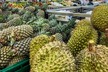
Bananas and pineapples have positioned the Philippines as the world's number two producer of both commodities. Despite production and market challenges, the country continues to supply international customers, supported by farmers, consolidators, processors, and exporters. Many of these value chains are concentrated in Mindanao.
Bananas and pineapples account for almost nine per cent of total agricultural Gross Value Added. They play a central role in the regional economies of Davao, Soccsksargen, and Northern Mindanao. Export requirements drive the need for crop science expertise, business innovation, and logistics services that meet international standards. These sectors support local enterprises and employment in production and post-harvest handling.
Maintaining export positions requires continuous adjustment. While preferential tariffs in major markets offer advantages, competitiveness also depends on efficiency in shipping, production, and related services. Other producing countries are active in the same markets, increasing the need to manage costs and comply with destination country regulations.
Department of Agriculture data show agricultural exports valued at US$884.77 million, compared with imports of US$1.55 billion. The resulting trade deficit stands at US$668.35 million, despite recent export gains. Higher export volumes and values are seen as beneficial for farming households engaged in crop production and processing.
Policy measures are viewed as a factor in supporting competitiveness. Government efforts to establish a regulatory framework, combined with industry initiatives and overseas Filipino networks, may help expand access to new markets. Exporters continue to operate under international standards and customer requirements.
As global market conditions evolve, the Philippines is assessing strategies to strengthen domestic supply while increasing agricultural export value. Bananas, pineapples, and coconut products remain core components of this approach, with implications for rural employment and regional economic activity.
Source: Manila Bulletin