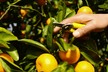
The 2025 citrus season in Argentina experienced a more balanced output compared to 2024, which faced an oversupply. Bautista Berisso of El Paruco in Entre Ríos explains this.
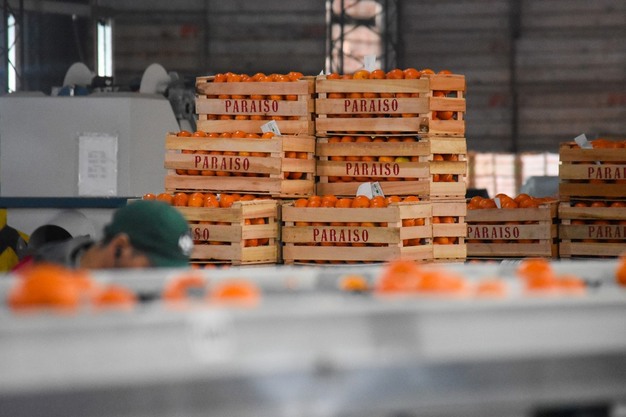 © El Paruco
In 2025, production volumes were normal with stable yields and no major variety imbalances. However, a severe frost in July caused significant damage to multiple growing regions. "This was the main production challenge this year. It especially affected the Honey Murcott mandarins, which faced estimated losses of 40-50%. The impact on oranges was less severe but still noticeable, as temperatures dropped to -6 °C in some locations."
"These frosts interrupted industrial activity for about three weeks, while packers assessed damages in the field and restructured the harvest to focus on less affected sectors," he stated.
 © El Paruco
On the commercial front, Argentina continues to expand its presence in global markets. Brazil has become a key target, especially since the protocol was eased this year, allowing more flexibility and better supply to meet rising demand. Brazil is emerging as a significant, high-demand market," Berisso stated. He also noted that this market presents an attractive window for Navel oranges from October to November, before Spanish fruit arrives.
Argentina continues to supply Canada, the Philippines, and Russia, with little change from previous seasons. "Although some markets performed better, the positive effect was offset by increases in internal costs in dollars, which rose sharply due to the country's macroeconomic changes. These costs cannot be passed on to foreign customers, which puts pressure on the country's competitiveness compared to suppliers like Uruguay or Chile," he said.
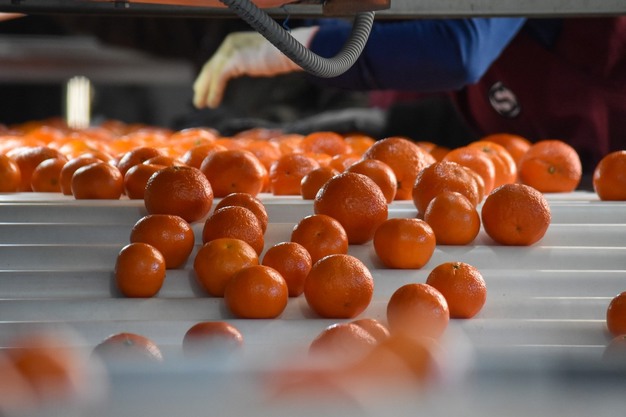 © El Paruco
The 2026 production outlook remains cautiously optimistic. "Flowering has been consistent, without the irregular pulses seen last year, and recent rains have helped fruit setting and growth. Additionally, there are no significant signs of La Niña at this time, which lowers the risk of early fruit shedding," he stated.
In the domestic market, the sector aims to prevent oversupply that pressured prices last season when chamber fruit, plant fruit, and imports coincided. "When two seasons merge without a slowdown, it can negatively impact the next season," Berisso emphasized.
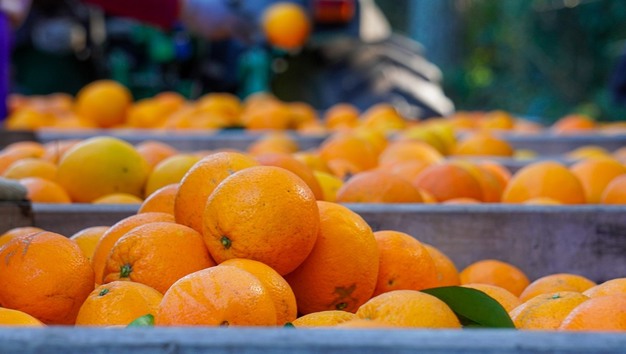 © El Paruco
On an international level, the sector is awaiting news on the progress of opening the American market, which is currently in the public consultation stage. "If successful, it would be a significant opportunity for local citriculture," the CEO stated, highlighting the growth potential of the producing region in northern Entre Ríos and southern Corrientes.
 For more information:
Bautista Berriso
El Paruco
Argentina
Tel: +549 11 6567 7889
Email: [email protected]
www.elparuco.com