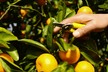
The Darjeeling Mandarin Orange has officially received the Geographical Indication (GI) tag, a designation formalised by the GI Registry on November 24, 2025, officials confirmed on Monday. The Darjeeling Organic Farmers Producer Organisation (DOFPO) is the registered proprietor of the GI, while Uttar Banga Krishi Vishwavidyalaya (UBKV) and the Patent Information Centre (PIC) facilitated the application.
A UBKV official said the recognition is expected to support the revival of Darjeeling Mandarin cultivation, which has been declining for nearly 15 years due to persistent virus and pest attacks. The next phase involves registering all growers in the Darjeeling and Kalimpong regions as authorised users, allowing them to legally use the GI label and secure fair market value for their produce. The mandarin orange, locally known as suntala, has long been integral to the region's cultural heritage and rural economy.
Welcoming the announcement, Darjeeling MP Raju Bista congratulated DOFPO, PIC and UBKV for securing the tag for Citrus reticulata Blanco. He noted that the mandarin is only the second product from the region—after Dalley Khorsani—to earn GI recognition. Bista said the tag honours the fruit's distinctive sweetness, aroma and flavour, qualities shaped by the cool, mist-laden climate and unique soil conditions of the hills.
He added that the status would enhance authenticity, protect the "Darjeeling" brand from misuse and help farmers access premium domestic and global markets. The designation, he said, is also expected to encourage investment, improve farming practices and attract younger growers back to the sector.
Bista expressed hope that more hill products—including cardamom, ginger, plum, passion fruit, pineapple, rayo-ko-saag and others—would eventually be brought under GI protection.
Source: www.theweek.in