José Tomás Quezada, the general manager of Agrícola Siemel, maintains an optimistic yet pragmatic view on the future of Chile's dried plum industry. Despite an expected 20% increase in supply from 2025 to 2030, this growth brings the challenge of further developing the market and balancing supply with demand to keep prices stable and maintain profitability.
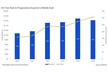
"Over the past decade, international demand has remained steady, with no significant growth. China has been a key market, offsetting declining demand from other areas," Quezada stated.
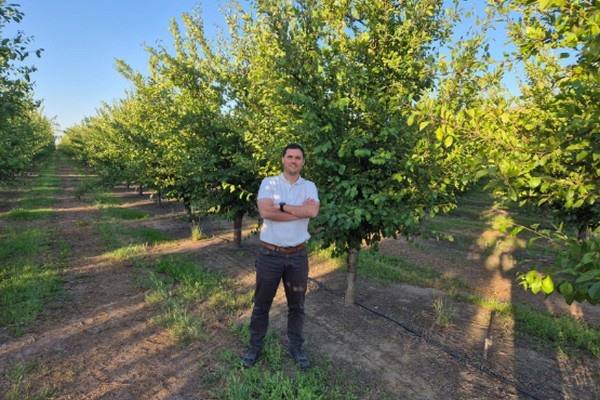 © Chileprunes
Simultaneously, investments are underway in India to promote Chilean dehydrated plums and build brand awareness. Member companies of ChilePrunes are launching a promotional campaign through the association to boost consumption. This initiative might somewhat mirror the strategy used in China a decade ago, which now yields excellent results.
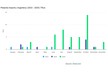
In Chile, all signs point to continued production growth in the short- and medium-term. This increase in supply is driven by the development of plum trees in nurseries, which are used to replace existing orchards and support new projects that expand the country's productive land. If this pace continues, Chile could reach approximately 16,500 hectares of planted area by 2030, up from the current 13,500 hectares of European plum trees. The O' Higgins Region has the largest area, with nearly 10,000 hectares, accounting for more than 70% of the national total.
A European plum tree takes 3 to 4 years to reach full production and can produce fruit for 20 to 25 years.
In 2025, total plum production reached 112,500 metric tons (MT), with 14,000 MT for fresh fruit (dried equivalents), and 98,500 MT available for the drying industry.
"The supply of dried plums could increase by approximately 20% in the coming years. The business remains appealing, but it requires a long-term perspective: focus on sustainability, exploring new markets, strengthening marketing channels, developing innovative presentations, and standardizing quality are essential to sustain profitability," he stated.
According to Quezada, the Chilean dried plum industry faces both opportunities and challenges, with the main focus on improving productivity, boosting international promotion, and establishing a sustainable supply to help maintain Chile's competitiveness over the long term. "With coordinated efforts among producers, exporters, and trade associations, the sector can continue to grow sustainably and strengthen its global presence, keeping Chile as the leading producer and exporter of dehydrated plums worldwide, an achievement that few national agricultural industries have attained."