The Moroccan tomato industry is booming, with exports reaching record numbers in the previous season, says Fatiha Charrat, Deputy Managing Director of the Delassus Group: "Morocco's tomato export has reached a new milestone in the 2024/2025 campaign, with exports climbing to a record 745,000 tons. This marks an 80% increase over the past decade, firmly positioning the country as the third-largest supplier to the European market, behind Spain and the Netherlands. 2025-26 is under pressure due to some climatic challenges. Export will be slightly inferior to last season."
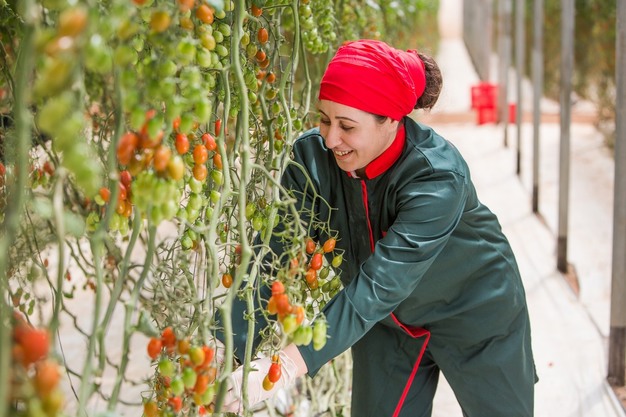
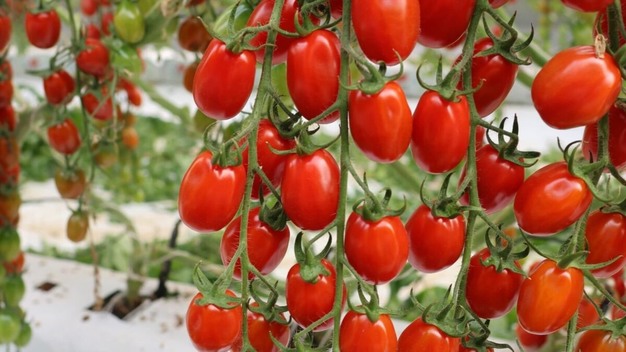
According to Charrat, this growth is largely driven by a significant change in the product mix. Segmented tomatoes, such as cherry, baby plum, and specialty varieties, now account for nearly 59% of total exports. "The real transformation in the sector is the move upmarket. It's no longer just about volume, but about value and differentiation," says an operator from the Souss-Massa region.
 © Delassus
With more than 400,000 tons exported and a 35% increase over the past two years, segmented tomatoes have become the backbone of Morocco's competitive edge, Charrat explains: "France remains by far the largest declared destination, absorbing more than half of Moroccan tomato exports. However, this is somewhat misleading, as Perpignan primarily serves as a redistribution hub, with significant volumes subsequently re-exported to Germany, Scandinavia, Austria, and other Northern European markets."
"In response, Moroccan exporters are increasingly shifting towards direct deliveries, bypassing French distribution platforms," Charrat continues. "According to AMI statistics, Germany's share has doubled from 9% to 18% over the past five years. When factoring in re-exports via France, Morocco is now estimated to supply around 50% of the baby plum tomatoes sold on the German market."
Charrat states that the export sector remains highly concentrated, with the top ten exporters in the Souss-Massa region accounting for around 65% of total volumes: "Azura leads by a wide margin, followed by Duroc. Strategies differ significantly among operators. Some companies remain heavily reliant on a single market, especially France, while others are actively diversifying toward the UK, Germany, and African markets. One exporter has told us that the ability to diversify markets is becoming a key resilience factor."
 © Delassus
Despite strong export performance, the sector is under increasing pressure, Charrat emphasizes. Water scarcity remains a critical issue, with groundwater depletion forcing growers to rely more on desalinated seawater, significantly increasing production costs. "We are still operating within a strong model, but it is under strain. Costs are rising faster than prices in some segments," a grower explains.
Labor shortages and rising energy costs are adding further pressure on margins, Charrat says: "Growth will rely on several key drivers: continued premiumization, geographic diversification, and the development of new production areas. Dakhla is expected to play a strategic role. At the same time, investments in seawater desalination are becoming essential to secure long-term production, despite the associated cost increases."
"Between strong growth and mounting constraints, Morocco's tomato sector is entering a new phase. Its ability to manage costs, diversify markets, and maintain its competitive edge will be key to sustaining momentum in an increasingly demanding European market," Charrat concludes.
For more information:
Fatiha Charrat
Delassus Group
Email: [email protected]
www.delassus.com