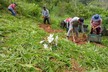
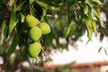
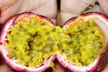
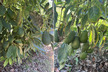
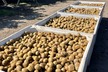
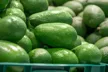
The cultivation of tropical fruits in Syria is expanding alongside citrus production in coastal regions, offering growers additional income opportunities and reducing reliance on imports, while challenges related to climate and market conditions remain.
Production is concentrated in Tartous and Lattakia across limited areas, often integrated within citrus farms, greenhouses, or home gardens. Crops include persimmon (kaki), avocado, dragon fruit, mango, papaya, kiwi, banana, pineapple, sapota, custard apple, and chico. Growers report that crops such as avocado, mango, and papaya generate higher returns due to limited availability and higher market prices. Production depends on seedling quality, soil suitability, and irrigation systems, while some crops show lower susceptibility to certain plant diseases compared to traditional crops.
Competition from imports remains a constraint. Imported tropical fruits often enter the market at lower prices and sometimes at higher quality levels, placing pressure on domestic production. Growers are calling for improved agricultural guidance, access to better planting material, financing, and stronger cooperative structures to support production and market access. Demand varies by crop, with higher consumption of mango, banana, and kiwi, while other fruits are sold in smaller volumes due to pricing.
According to the Ministry of Agriculture data, persimmon is the most widely cultivated tropical crop in Syria, covering about 1,400 hectares due to its tolerance to lower temperatures. Banana cultivation covers approximately 250 hectares in both open-field and protected systems. Other tropical crops remain below 100 hectares and are often grown alongside citrus. Some crops, including avocado, show adaptability to local conditions, with selected varieties now included in government nurseries. Limited exports of avocado and dragon fruit to neighboring markets have been recorded.
Globally, tropical fruit production continues to expand, led by India, China, and Brazil, while Mexico, Indonesia, the Philippines, and Thailand remain key producers and exporters. According to the UN Food and Agriculture Organization, global trade in tropical fruits exceeded US$12 billion in 2025, reflecting demand trends and indicating potential for further sector development in Syria under improved production and market conditions.
Source: SANA