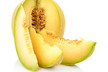
Brazilian melon exports declined in January as the 2025/26 harvest in Rio Grande do Norte and Ceará reached its final phase. According to Cepea data, export volumes fell 18% compared to December, totaling 32,700 tons. Export revenue decreased 16%, reaching approximately US$28 million FOB.
The reduction in shipments is linked to the gradual closure of the export campaign in RN/CE, Brazil's main melon-producing and exporting hub. According to Hortifrúti/Cepea sources, harvesting operations have already concluded on some farms. Growers brought forward field activities due to concerns over the January to March rainy season, despite forecasts pointing to below-average rainfall.
In parallel, Central American exports are gaining pace. Reports indicate that Costa Rica has expanded its production area and expects improved output during the season, while Guatemala is also projected to raise export volumes. The increase in supply from these origins may affect Brazil's positioning during its domestic off-season from April to June. Over the past two years, Brazil recorded above-average export volumes during this window.
Despite the January decline, cumulative exports for the 2025/26 season from August to January remain above last year's levels. Total shipments reached 194,100 tons, up 6% compared to the same period of the 2024/25 season.
Market agents indicate that rainfall levels in RN/CE in the coming months will influence planting and harvesting schedules. If precipitation remains below average, the start of the 2026/27 crop could shift forward to June or July instead of the traditional August start.
For greenhouse growers monitoring export flows and seasonal competition, the coming months will depend on Central American output, rainfall patterns in Northeast Brazil, and the timing of the next Brazilian campaign.
Source: HFBrasil