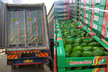
Ethiopia is undertaking a significant shift in its horticulture industry by moving avocado exports from expensive air freight to more efficient and sustainable sea freight. The initiative is led by the Ethiopian Agriculture Authority and the Ethiopian Horticulture Producers and Exporters Association, in collaboration with the Netherlands' Development Partnership, the Centre for the Promotion of Imports from Developing Countries, and the To SEA project. A major step in this transition is the release of the Avocado Export Guide, which is designed to standardize export procedures and help local SMEs navigate global maritime logistics.
According to Milco Rikken, CBI's business export coach, sea freight is at the heart of the project's strategy. The next stage will involve test shipments to Europe and Gulf markets to refine processes and ensure companies can meet the requirements of maritime transport. These trials will serve as learning opportunities to build reliable and sustainable sea export routes.
The upcoming Mojo Cool Port, currently under construction, is expected to become a key cold-chain hub supporting temperature-sensitive exports once it opens within the next two years. However, Ethiopia still faces challenges, including limited export performance and skill gaps among exporters. Compliance with international standards such as Global GAP also remains essential for entering major markets. Even so, the To SEA project, running through 2026, has already helped several companies complete their first exports, mainly to the Middle East, signalling growing readiness within the sector.
Source: capitalethiopia.com