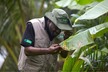
The banana bunchy top virus (BBTV) has killed 3,000 plants at the 25-ha KwaNyuswa Agricultural Farm in KwaZulu-Natal since February 2025. The community-owned operation reports a revenue loss of R500 000, equal to about US$29 300, which affects 103 indirect beneficiaries linked to the Roselands community trust.
Bananas are the primary crop in the area, but BBTV has disrupted production. The disease causes stunted growth and upright, narrow new leaves. Infected plants rarely produce fruit, and the virus spreads through infected planting material or the banana aphid. Increased labour is required for scouting and treatment, adding further costs.
On 12 November, Deputy Minister of Agriculture Nokuzola Capa delivered agrochemicals to commercial, smallholder, and subsistence growers after earlier engagements with growers in the Ugu District. The department stated: "With every handover of agrochemicals, farmers are being equipped to protect their crops, safeguard their income and secure a brighter future for their families and workers." The department noted that BBTV has been a persistent issue in the district since 2015, with resources allocated for agrochemicals, training of advisers, and community awareness.
KwaNyuswa's farm operations manager, Sphephelo Ngubane, said agrochemicals will assist, but recovery will require replanting support. "We need items that are essential for the recovery of lost yields. This includes banana seedlings, MAP planting fertiliser, top dressing fertiliser, and irrigation input," he said. He added that new fields will be established away from current production areas and that the farm is ready to handle planting capacity as it supplies commercial buyers and supports local employment and food security.
Ngubane said the chemicals will be valuable for managing aphids, especially for small-holding farmers. "Training is needed for them as well, and we are open to sharing the little we have." He emphasised consistent scouting and record keeping to stay ahead of the virus: "The most essential thing is to ensure field monitoring through scouting and record keeping to ensure that you are always ahead of the diseases."
He noted gaps in information on BBTV and the need for research on alternative aphid control methods and disease-spread reduction, including cooperation with SADC countries such as Mozambique and Zambia. He also acknowledged support from the deputy minister and local industry organisations, adding, "Bananas are our community's backbone. If we control BBTV now, we not only save a crop, but a whole rural community."
Source: Daily Maverick