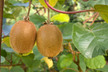
In 2014, Daniel Kiboi bought 2,000 tree tomato (tamarillo) seedlings. He just wanted to try his luck with them. On his two-acre piece of land in Mweiga (Nyeri County) he integrated the surrounding forested area with his tree tomato plants, a farming technique known as agroforestry. It entails integrating crop farming alongside the cultivation of trees.
“I have a background in agronomy specialising in herbs and vegetables. For me, farming came naturally as a potential venture. But I chose tree tomato because I learnt that it had good prospects,” says Kiboi who has 30 years’ experience as an agronomist.
Kiboi currently has six graduates from JKUAT working at the processing plant. He also gets interns from the institution, who come to sharpen their skills.
Four months ago, he started selling his products in a few outlets and in a short time, there was a positive response from the consumers. Currently the facility has the capacity to process 2,000 kgs of fruits per hour and is producing 300 litres per hour.
One of the unique things about processing tamarillo is the chemistry of the fruit; it is rich in pectin, a gelling agent found in products such as jam. The thick pulp is pasteurised at 75degrees for 15 minutes to kill microbes. Afterwards, water is added to give it right consistency. The juice is then set aside for cooling and later bottling, a fully automated process.
To ensure consistent supply of his products in the market, Kiboi has increased his trees from 2,000 to 20,000 and also contracted at least 16 farmers to provide him with same when demand soars. The farmers are from Nyeri, Eldoret and Nakuru.
Source: standardmedia.co.ke