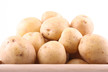
Pakistan exported around 248,000 tons of potatoes during the July to January period of FY2025-26, with export value at approximately US$56 million, according to official data available with Wealth Pakistan.
The United Arab Emirates was the main destination, followed by Sri Lanka, while Afghanistan remained an active regional market. Exports to Afghanistan reached 29,411.90 tons in the first half of the fiscal year. Demand from the Gulf region, including the United Arab Emirates, Qatar, and Oman, remained stable.
Sri Lanka continued as a buyer, with volumes fluctuating in line with domestic supply conditions. Smaller markets such as Somalia also imported limited volumes, indicating diversification in export destinations.
A development for the sector has been the reopening of the Russian market, according to Khawar Nadeem, Manager Agri Products at the Pakistan Horticulture Development & Export Company. Russia cleared potato imports from Punjab after phytosanitary restrictions imposed in May 2025 were removed by the National Plant Protection Organization.
Russia has initially approved three Pakistani companies to export potatoes from April 8. Authorities are working to expand this list, with around 40 firms already submitted for approval and further engagement planned.
Production levels have increased. "This year, the approximate production is around 12 million metric tons, compared to 8.7 million metric tons last year," Khawar said, adding that a surplus of 4 to 4.5 million metric tons is expected.
Pakistan typically exports between 500,000 and 600,000 tons annually. Export performance showed strong earnings in FY2022-23, followed by a decline in FY2023-24 and recovery in FY2024-25 driven by higher volumes. The current fiscal year reflects stable volumes supported by market access developments.
Source: The Nation