A late freeze combined with insufficient chill hours is expected to reduce fruit yields across Texas, according to Tim Hartmann, Ph.D., AgriLife Extension statewide fruit specialist and assistant professor in the Texas A&M Department of Horticultural Sciences.
Hartmann said temperate fruit crops such as peaches, apples, blackberries, and blueberries require exposure to cool conditions during winter to break dormancy and support fruit development. Chill hours are generally measured as the number of hours below 45°F.
The required chill hours differ by crop and variety. Some peach varieties grown in South Texas may need around 200 hours, while varieties grown near the Red River may require more than 1,000 hours.
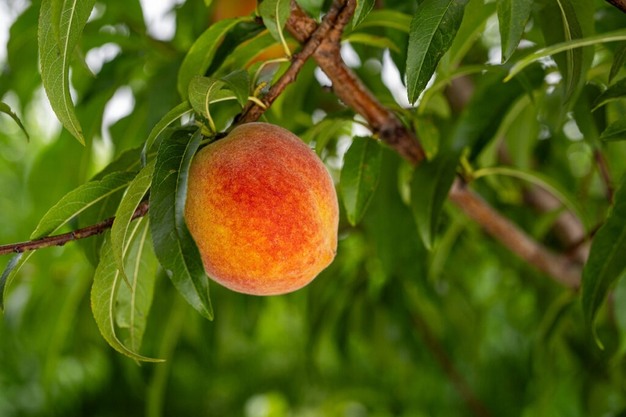 © Texas A&M AgriLife
Hartmann said inadequate chilling can lead to delayed bud break, weak vegetative growth, poor fruit set, abnormal fruit development, and in some cases, no yield at all.
"If you don't get enough sleep, you're likely to oversleep and will not function at your highest capacity," he said. "In the same way, trees that don't reach the required chill hours will bud late and not be productive."
Reported chill hours across Texas were below average this season. Additional factors, including warm periods between colder weather, late foliage retention, dry fall conditions, and late frosts, also affected production.
"We will likely see a reduced crop for peaches, blueberries, apples and blackberries," Hartmann said. "Asian persimmons, which require less chilling and tend to bloom later than many other fruit crops, survived the late frost and should have better yields."
Peaches and apples were mainly affected by low chill accumulation and frost in March.
Blueberry growers in Southeast Texas experienced a hard freeze in late January but have already started harvesting and still report some production. Growers farther north reported heavier losses, with some reporting total crop losses where frost protection was unavailable.
Blackberries experienced less frost damage because of later flowering, but insufficient chill hours along the Gulf Coast and in Central Texas reduced fruit loads compared to North Texas.
Growers used several management strategies to reduce weather impacts, including irrigation systems for frost protection, wind machines, and chemical growth regulators such as hydrogen cyanamide to supplement chill accumulation.
"Hydrogen cyanamide can have the effect of supplementing some of the chill hours that the buds need to develop fruit and set a good crop," Hartmann said.
He noted that the products are not effective for all crops or varieties and may increase frost risk by promoting early bloom.
Hartmann said selecting fruit varieties suited to local chill conditions remains one of the main tools for reducing production risk.
To view the full report, click here.
For more information:
Laura Muntean
Texas A&M AgriLife
Tel: +1 601 248 1891
Email: [email protected]
www.agrilifetoday.tamu.edu