Comments by former Taoiseach Leo Varadkar that farmers "bring costs on Ireland" have raised questions around Ireland's reliance on imports and food sovereignty. Speaking on Matt Cooper's Path to Power podcast, Varadkar said farmers "still see themselves as the people who bring money and jobs into Ireland, where actually a lot of the time they bring costs on Ireland". Matt Cooper noted that "around 80% of food consumed in Ireland is imported".
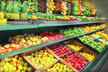
As an island nation, Ireland imports food to meet demand, including products not suited to the local climate, such as exotic fruit. However, some imported vegetables can be produced domestically, raising questions about sourcing.
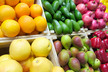
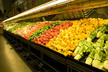
According to the Central Statistics Office, Ireland imported 347,000 tons of fruit and nuts valued at €563 million in 2024. This included almost 96,000 tons of bananas valued at €75 million and 56,000 tons of apples worth €70 million. Imports also included almost 12,000 tons of strawberries and other berries valued at €86.8 million and 6,000 tons of nuts valued at €30.4 million. Fruit juice imports were valued at €277 million, including €202 million for orange juice.
In vegetables, Ireland imported 104,500 tons of potatoes valued at almost €67 million and 133,500 tons of prepared potatoes valued at €245 million. Additional imports included 44,700 tons of onions valued at €40.5 million, 28,800 tons of carrots and turnips valued at €27 million, 28,000 tons of tomatoes valued at €60 million, and 21,000 tons of cabbage valued at €30 million.
At the same time, Irish food exports remain strong. Bord Bia reported that "the value of Irish food, drink and horticulture exports rose by 12% in 2025 to reach a record €19 billion". Chief executive Jim O'Toole said the sector performed well by "achieving record export values... reinforcing its reputation for quality, reliability and adaptability". He added that "food systems are, by nature, tight-margin operations, and the scale and pace of change in 2025 exposed vulnerabilities that leave little buffer for producers and businesses across the value chain".
Food sovereignty is also being discussed in other markets. French Agriculture Minister Annie Genevard said France must prepare "for the future by strengthening the resilience and sovereignty of our agriculture." She stated: "The requirement that we ask of our French farmers must be the same for imported products." She added, "We can no longer accept this unfair competition. Reclaiming our food sovereignty means being as less dependent as possible… We must reduce our fragilities in a world that becomes more and more uncertain… Anything that makes us dependent on others is maximum fragility."
Source: AgriLand