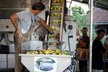
New Zealand's processed fruit and vegetable sector is facing pressure as supermarkets and consumers prioritise lower-priced imported products, affecting demand for locally grown crops. In recent months, Wattie's New Zealand in Hawke's Bay reduced its intake of several processed crops, including canned peaches, tomatoes, beetroot, and corn. The company, owned by Kraft Heinz, stated that it reviews crop volumes annually in response to market demand, imported competition, and production costs.
David Hadfield, chair of grower group Process Vegetables, said New Zealand farms operate under higher food quality and safety rules than many exporting countries. He noted that purchasing decisions by shoppers, supermarkets, and institutional buyers are increasingly focused on price. "I think the downswing at the moment is just a blip, really," he said. He added that a rise in demand could increase local planting again, although he sees a trend of fewer fresh vegetables in consumer shopping baskets.
Hadfield said imported produce is often cheaper, but local growers must remain viable to support domestic supply. "I suspect it's quite a lot cheaper than New Zealand-grown," he said. He added that supermarkets prioritise margin, sourcing lower-cost products when available. "Not to say that it's as good as what they can buy locally, but the consumer doesn't know that, so they push it through their home brands."
Supermarkets, Foodstuffs, and Woolworths import fruit and vegetables for their canned home brands, such as Pams and Woolworths Essentials. Typical sourcing includes peaches from South Africa or China, beetroot from China, corn from Thailand, and tomatoes from Italy. A Foodstuffs spokesperson said the company sources locally "wherever possible" but uses international suppliers to maintain stable prices and year-round availability. Woolworths said it sources from both hemispheres to follow seasonal harvests and stocks Italian tomatoes "for authenticity."
Both supermarket groups maintain responsible sourcing policies that apply to all suppliers, including overseas processors. Foodstuffs prohibits child or forced labour and audits high-risk international sites through Sedex. Woolworths requires suppliers to meet responsible sourcing standards and undergo risk assessments.
Tearfund New Zealand expressed concern about labour risks in global horticultural supply chains. Head of advocacy Claire Gray said New Zealand lacks modern slavery reporting legislation that exists in markets such as the United Kingdom and the European Union. She warned that without regulation, New Zealand could become a destination for imported goods that cannot enter markets with stricter rules. She said consumers often lack the information needed to make informed choices.
Angela Clifford of Eat New Zealand said recent reductions in local processing reflect consolidation in the horticulture sector. She encouraged consumers to understand the value of local food systems and to be aware that imported supermarket products are not always the lowest-cost option.
Source: RNZ News