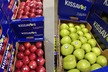
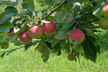
Nowadays, many fruits and vegetables can be shipped by sea because they can withstand long times in cold storage. Certain products, however, must be shipped by air, even though this incurs a high cost; consumers are willing to pay premium prices for quality. This is the case of stone fruit.
"Stone fruits have become our main export product because our destination markets don't grow them. Spanish stone fruit is known for its top quality. Turkey and Lebanon also produce stone fruits, but the Spanish product is more highly valued. High transport costs aren't hindering demand. Customers are willing to pay for air-shipped Spanish stone fruits," said Bernar Martínez, CEO of Bernar Foods, a trading company specialized in air freight of fruits and vegetables, particularly groupage shipments for supermarkets in the Middle East and Southeast Asia. The company ships approximately 250,000 kilos annually.
 © Bernar Foods
"After the spring hailstorms in producing areas, such as Murcia or Lleida, there was an increase in prices and a shorter harvest season for some fruits, such as cherries. These are selling out more quickly than in other years."
Durable fruits, such as pears, apples, plums, and avocados, are normally sent by ship. Stone fruits, however, have to be sent by plane.
Overseas markets also appreciate Spanish melons and watermelons, but these products are less exported because other countries, like Morocco, also produce them. "However, when they want quality watermelons, they buy the Spanish product," Martínez stated.
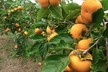
"We also ship pomegranates from Elche (Alicante) and figs, which are demanded for their sweetness. We ship seasonal products, and, as a Valencian company, we export kaki and oranges. We also export Iceberg, Romaine, and Lollo Rosso lettuce, among other products."
"Supermarkets in these overseas countries offer fruit from many nearby countries and, on a separate shelf, European fruit as a specialty product."
 © Bernar Foods
"Prices have not been regulated after the COVID pandemic"
During the COVID pandemic, air freight and fuel costs abruptly skyrocketed, and they have not dropped since. The fluctuating US import tariffs aren't helping either. However, they're not having much of an effect on prices yet."
The US tariff hike could redirect fruit from Latin America or Asia to Europe. "That could lower prices, but quality products are valued for other reasons," Martínez stated.
The markets prefer seedless fruits. "Table grapes are also strong in summer. We only export seedless fruits; even our oranges and mandarins are seedless. Another noticeable trend is the demand for extra-sweet fruit in Southeast Asia and Arab countries."
"The European preference for nectarines over peaches is not noticeable in our sector. We ship the same amounts of peaches, nectarines, and donut peaches. Many people prefer nectarines because they don't need to be peeled, but our customers don't follow that trend."
Among vegetables, the demand is highest for colorful cherry tomatoes. "They stand out and come in premium packaging with a sophisticated design. If you're shipping something by air to the other side of the world, it has to be really special. There are plenty of regular-product suppliers near the destination markets," he said.
For more information:
Bernar Martínez
CEO
Bernar Foods
Tel: +34 685 16 11 49
Email: [email protected]
www.bernarfoods.com