The imposition of a 10% tariff on non-traditional Peruvian agricultural exports to the United States, which might be increased to 20%, has forced the sector to rethink its strategies.
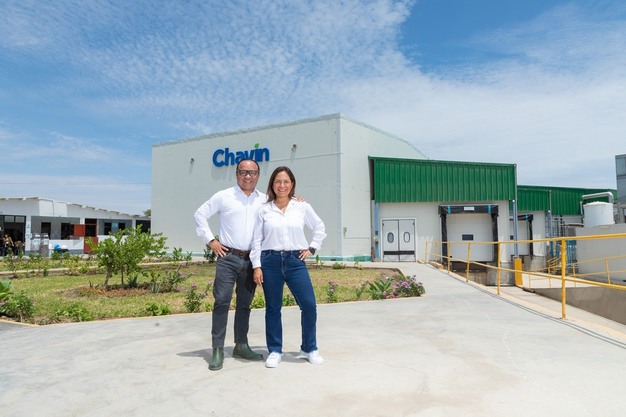
Mario Salazar, an agro-exporter with more than 27 years of experience and author of the "Strategic Evaluation Framework for Peruvian Exporters," proposes a clear approach to face this new commercial stage.
 © Agrícola Chavín
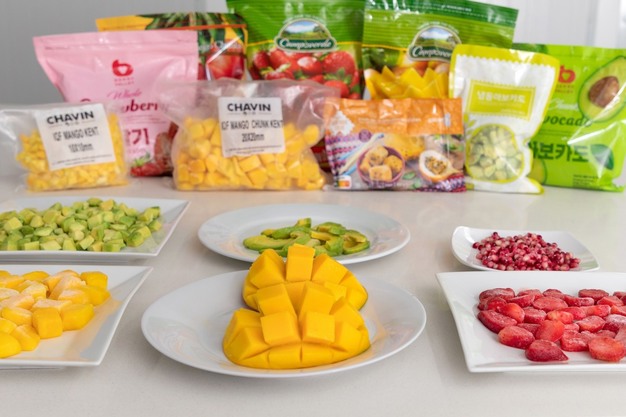
According to Salazar, these tariffs have an uneven impact: some companies have managed to pass the cost on to importers, others are absorbing it completely, and many have not decided how to respond. Faced with this uncertainty, he recommends applying a six-step framework that begins with product analysis and evaluating the specific tariff. This step allows identifying if the tariff displaces competitors (such as Vietnam in frozen mango) or if it grants advantages to rivals, such as Mexico, which maintains a zero tariff.
Another critical point is mapping international competition. "The pie will be divided between two or three players. If you are not competitive, you are out," he stated. Thus, reducing operating costs, for example through automation, is key. "If you lose 20 cents per kilo because of the tariff, you have to cut that same margin internally to stay in the race."
Business and market intelligence is another essential step. The American consumer has changed: lower purchasing power, smaller packaging, and non-traditional sales channels. "Will we be able to return with the same packaging to a market that is no longer the same?" Salazar asks, suggesting exporters have to rethink product presentation and distribution channels.
 © Agrícola Chavín
The framework also promotes geographical diversification to avoid concentrating risks in a single market. For example, after more than a decade of the FTA with China, Peru will be able to export fresh and frozen mangoes to that country in the 2025–2026 season. "We don't know how much mango the U.S. will buy next year, but we have to be ready to move our chips to Asia," stated Salazar, who will participate in trade fairs in Vietnam, Korea, and China to open up new opportunities.
The diagnosis is clear: companies with a solid financial structure will be able to resist and adapt. The most fragile, on the other hand, risk being left out of the game. The future success of Peruvian agro-exporters will depend on "thinking strategically and acting quickly," he stated. "This is not a time to improvise. It's time to sort ideas, make data-based decisions, and build resilience through knowledge."
 © Agrícola Chavín For more information:
Mario Salazar
Agrícola Chavín
Tel: +51 989 031 952
Email: [email protected]
www.chavin.com.pe