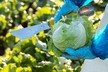
Spanish broccoli production is currently underway in areas higher than 1,000 meters above sea level, where temperatures are usually milder during the summer. However, the heat waves are currently taking a toll on both the quality and the yields, as well as on the sowings that are taking place in lower areas for the autumn harvests.
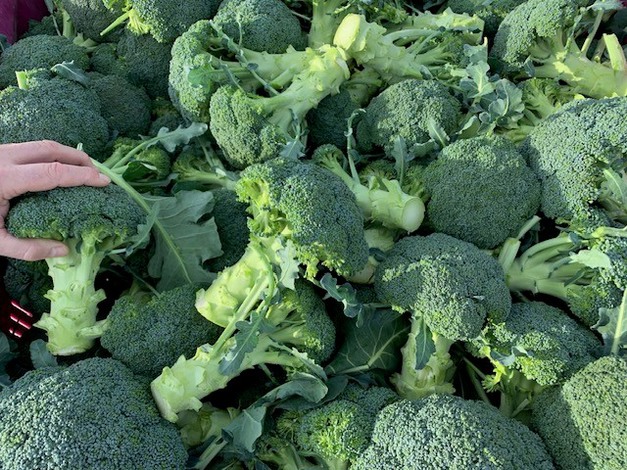
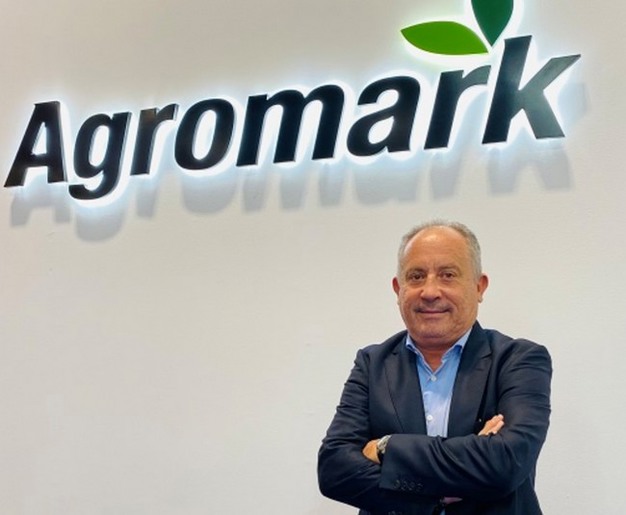
"The higher than usual temperatures are causing the yields of summer broccoli crops to fall by about 50% compared to the usual levels. We are also irrigating twice and even three times as much, in some cases, compared to a normal campaign," said Nacho Domenech, of the Murcian company Agromark.
"It is increasingly difficult to grow broccolis in the highlands in summer, as temperatures used to be cooler at night and that temperature contrast is very positive for the crop. This year, for the first time, the heat and water shortages are causing problems in the growing area of Zafarraya, in Granada."
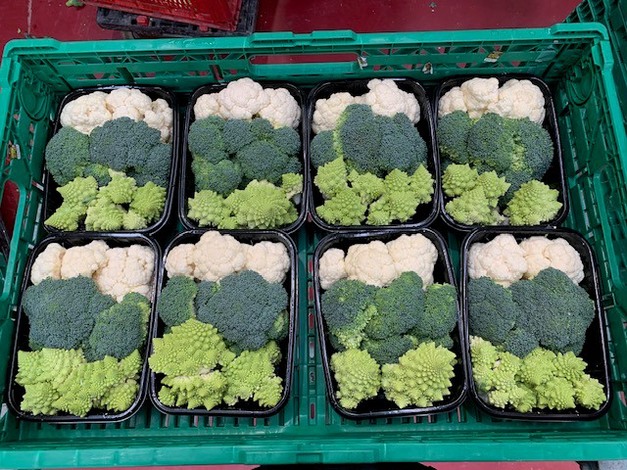
In this regard, the cauliflower production has been significantly more affected. "That is why we are importing cauliflower from the Netherlands, since they have proved to be able to deliver a very good quality product at this time of the year. This summer there has been a shortage in Europe and this has been reflected in the auctions in Spain, with prices reaching 2.20 Euro per kilo," said Nacho Domenech.
In growing areas between 400 and 800 meters above sea level, there will be enough water to irrigate crops for the autumn harvest. "We are now doing the sowing, although we are forced to do it at night because of the high temperatures this summer," he said.
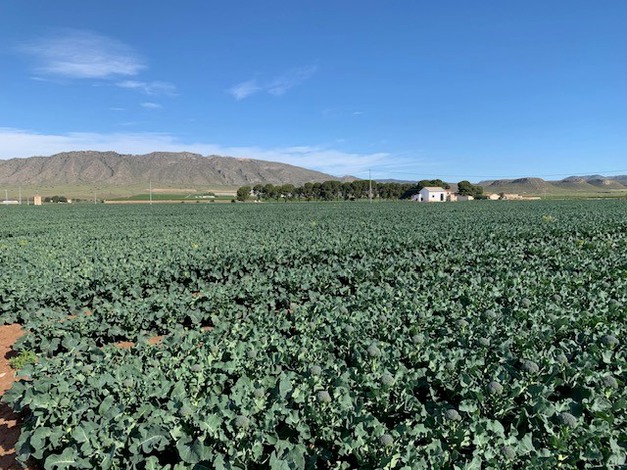
There are great concerns about the planting of broccoli, cauliflower and lettuce in the areas of Campo de Cartagena and Guadalentin Valley, which are Europe's biggest suppliers of these products during the winter months. "We are not guaranteed to have enough water from the Tajo-Segura transfer or from desalination plants, and there could be major restrictions if it does not rain and, therefore, the plantations could be greatly affected."
 For more information:
Nacho Doménech
O.P. Agromark, S.L
Casa Lugar Nuevo, 65
30739 Torre de Pacheco, Murcia
T: +31 968173201
[email protected]
www.agromark.es