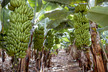
"Last year was very challenging; there was a significant drop in productivity across Ecuador," stated Galo Molina, representative of Marplantis. Molina estimates productivity declined by 30% to 35%, with occasional cases of up to 50%. These issues, caused by prolonged rainfall, colder temperatures, and diseases such as sigatoka, have disrupted global supply chains and altered market dynamics.
The sector is presently experiencing signs of recovery, driven by strong international demand. "Demand is expected to outpace supply shortly, leading to rising prices," he stated. Europe and the United States remain the primary markets for Ecuadorian bananas, with Asia, particularly China, emerging as a growing market.
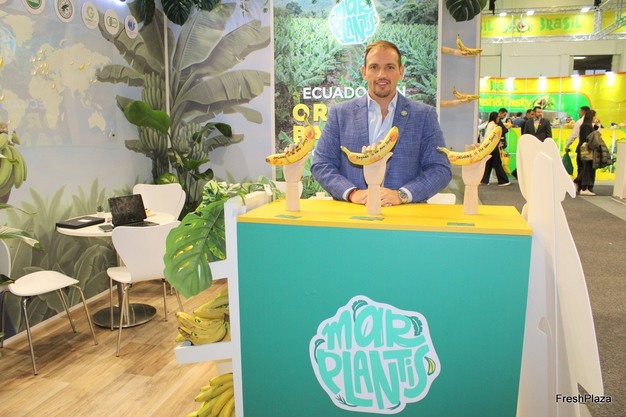 © Diana Sajami | FreshPlaza.com
A key change is the stabilization of consumption. "The curves are becoming flatter, and consumption remains stable," Molina stated, contrasting with previous years marked by pronounced seasonal fluctuations. This shift is partly due to reduced fruit availability and the emergence of new buyers in markets such as organic bananas.
However, the rise in demand does not resolve the underlying structural tensions within the sector. Molina highlights a long-standing pressure on prices: "Supermarkets treat it as a bargain fruit, sacrificing some margin to offer a cheaper product." Additionally, production costs are rising due to stricter requirements for certification, sustainability, and working conditions.
"The requirements are becoming increasingly demanding, which makes production more expensive," he said, stressing that the market is not yet fully reflecting these increases. However, reduced supply has caused prices to rise, leading to the view that 2026 will be a 'year of producers."
Meanwhile, market diversification introduces new challenges. China offers growth opportunities but also stricter quality and logistics requirements. "They are quite demanding regarding the appearance of bananas; they expect good product quality," Molina explains. Additionally, transit times remain a crucial factor in preserving quality for distant destinations.
For more information:
Galo Molina
Marplantis
Tel: +593 994 796 100
Email: [email protected]
www.marplantis.com