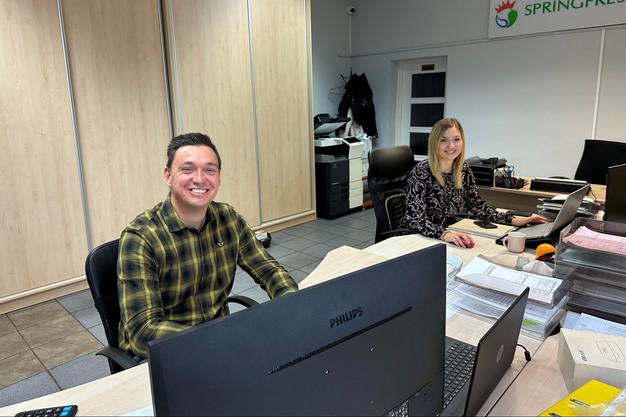
Lower wages remain a considerable advantage to producing in Poland. Derreck Bac of the Springfresh Group says labor costs in that country are still about one-third those in the Netherlands. "For a long time, it was thought that those differences would shrink, but they haven't," says Derreck. According to him, regional wage differences persist. "That means we can do labor-intensive processes manually and thus start our business flexibly."
 © SpringFresh
Building up sales volumes
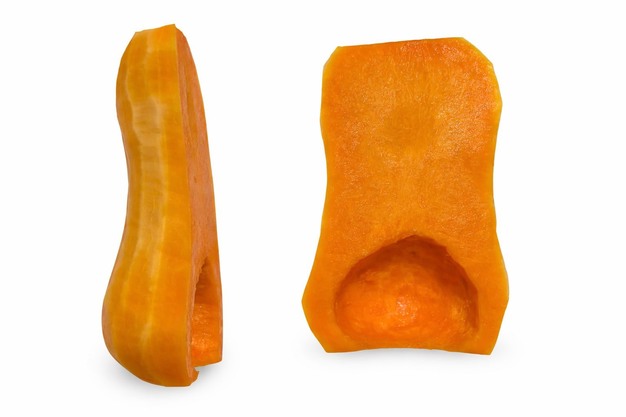
This hands-on approach has strategic advantages. "We can process new products manually at first, thus building up sales volume," explains Derreck. Examples include butternut squash and sweet potatoes, which were recently added to this Dutch company's product range.
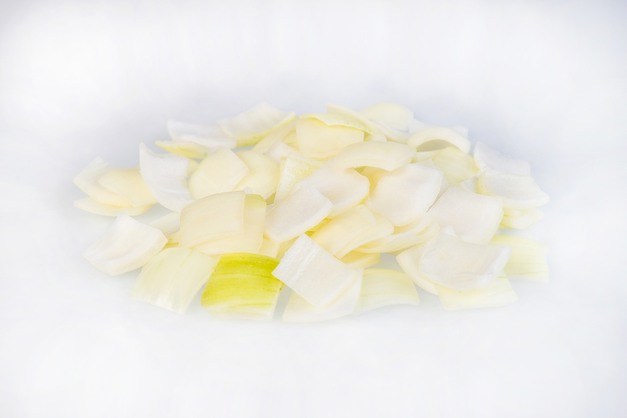
Once that is successful, automation will follow. "With onions, we started with manual labor, then moved to full automation, including optical sorting." The company is working to further automate other product groups and is using waste streams more effectively.
 © SpringFresh
Sliced onions are the top seller for Springfresh
Longterm partnerships
Springfresh supplies processed fruit and vegetables to customers across Europe, using its own transport to destinations including Germany, Scandinavia, the Netherlands, and Belgium. Most of the raw material comes from the Netherlands, supplemented by supplies from other European countries. "We work with regular suppliers for every vegetable," Derreck continues.
"You must have long-term partnerships to ensure volume and quality, especially in difficult years." Securing high-quality raw materials remains challenging. "This year was easier, but that can change quickly. For instance, frost destroyed part of the Polish onion harvest," says Bac, adding that the sector demands constant flexibility. "Problems can arise every day."
 © SpringFresh
Springfresh will soon be adding butternut squash to its product range
Storability
That raw material quality is vital to the end product. "We have higher standards than some people think. Without good raw materials, you have no shelf life," Derreck points out. Springfresh therefore invests heavily in a closed cold chain and in employee product knowledge. "We've made great strides by better training our workers. They know exactly how to handle products."
Pressure in the market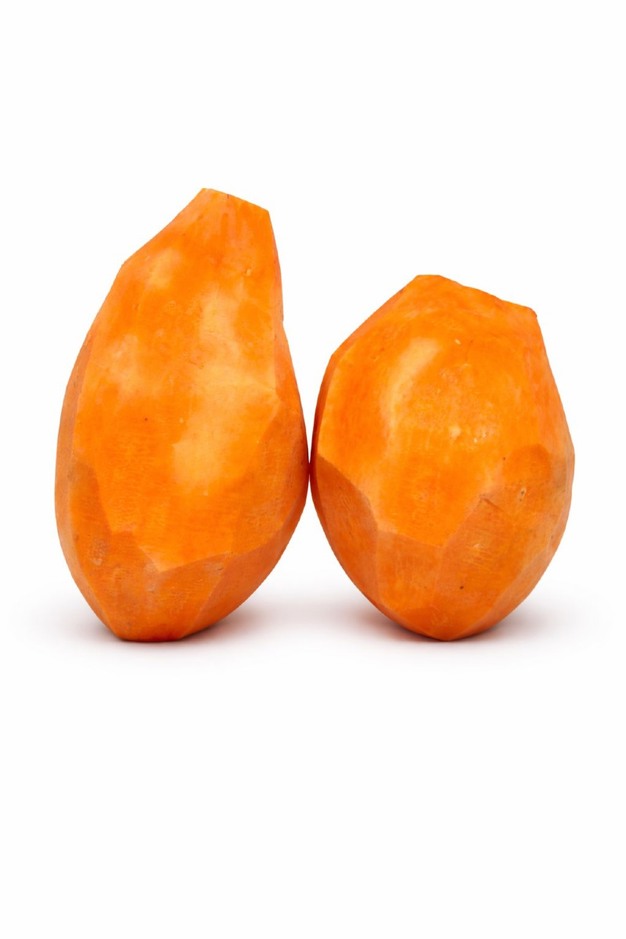 © SpringFresh
The European market for convenient fresh produce keeps growing, but, according to Derreck, it is under pressure, too. "Many processing facilities are struggling," he knows. Rising costs mean higher prices, making consumers more critical. "It seems we've reached a limit."
Expanding local market
Still, Derreck remains optimistic. Along with exports, the Polish market is also expanding. "Many of our products are kitchen staples, and local demand is increasing," he explains. That combination of export opportunities and a strong local market offers promise. "Even if exporting becomes more difficult, we still have plenty of sales opportunities."
Vision for the future
Springfresh's strategy remains focused on flexibility: start off with manual work, scale up to automation, and prioritize strong partnerships. "The market remains dynamic. But by combining cost advantages, innovation, and collaboration, we can keep growing," Bac concludes. (MW)
For more information:
SpringFresh Group
Lipowo 27
69-200 Sulecin
Tel: +48-957599258
[email protected]
www.springfresh.eu