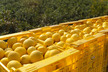
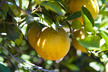
The first batches of Verna lemons from Spain are starting to appear on the shelves of European supermarkets, while the Primofiori lemon season has practically come to an end. A short Verna crop and rising prices are forecast. It is also expected that this will lead to a greater supply of Southern Hemisphere lemons from the end of May onward, which could upend the current market situation.
"Since October, we have experienced a Primofiori lemon season characterized by high, stable prices that have been reasonably good for all parties involved in the value chain. This situation has occurred because supply has been limited and the Turkish crop failed due to the impact of the frosts," stated Antonio Carrión, an international citrus trade consultant.
Moving forward, as the Verna crop enters the market, prices are expected to rise and may even spike, given that this season's yield is significantly lower than last year's and demand continues to grow.
"Since it will be such a short season for Verna lemons and demand is strong, large-scale retail is trying to secure its supply, while growers are holding firm on purchase-price negotiations," Antonio Carrión stated. "This is starting to push up prices, which could reach very high levels. Supermarkets are going to have to overcome certain price barriers if they want to have sufficient supply in April and May."
European operators are currently securing deals with overseas exporters to ensure ample supply. "The first batches of fruit from the southern hemisphere are already en route, although a significant supply is not expected until at least the last week of May. After that, Europe is likely to see more lemons from South Africa, Argentina, Chile, Uruguay, among other countries with expected higher harvests this year," Carrión said. "Additionally, the wars are affecting Middle Eastern markets, which will likely lead to a greater focus on Europe."
"As a result, the market could go from having a limited supply, where demand exceeds supply, to the opposite scenario, setting a precedent for the upcoming Spanish season in October. The key questions are: How much will Europe be able to import from the Southern Hemisphere, and how effectively will the markets absorb these imports?"