Preparations are ramping up in Senegal as the mango season approaches. The industry is facing the test of compliance with European Union standards, the primary market for Senegalese mangoes, particularly regarding fruit flies.
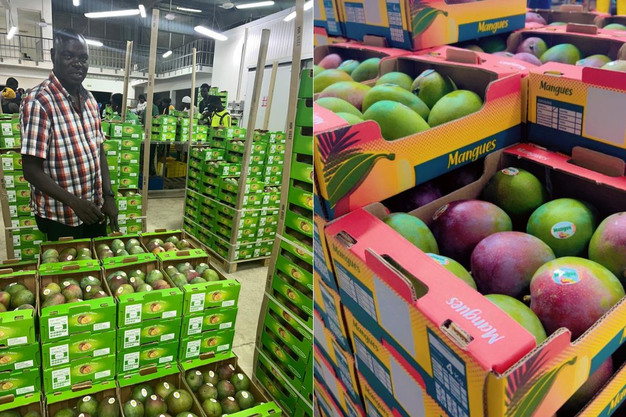 © FNS Agribusiness
In a letter sent to the office of the Senegalese Prime Minister in February, the European Commission's Directorate-General for Health and Food Safety requested a significant reduction in the presence of fruit flies in mango shipments. A clear message. A ban on imports into Eurôpe, like what happened to Malian mango exporters at the end of last season, hangs like a sword of Damocles over Senegalese exporters.
Selle Ndoye, director of FNS Agribusiness and a Senegalese mango exporter, remains calm: "Everyone is aware of how sensitive this issue is this season. We will do our utmost to ensure there are no flies in our shipments. The Plant Protection Directorate in Senegal is paying particular attention to this matter. I remain confident that the season will go very well and that the Malian scenario will not be on the agenda."
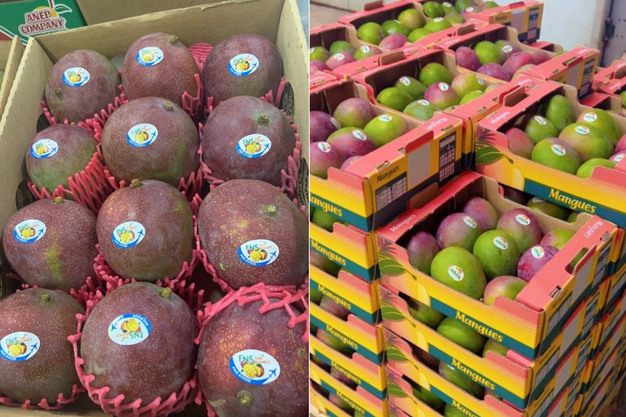 © FNS Agribusiness
According to the exporter, the preventive measures implemented in the orchards, including a comprehensive early-warning system established by the Plant Protection Directorate, will be supplemented by measures taken by exporters to prevent accidental mixing of mangoes destined for Europe with those intended for the local market or other markets.
Beyond the threat of a domino effect from Mali's exclusion from the European market, it also offers a commercial opportunity, according to Ndoye. "The Senegalese season begins toward the end of the Malian export campaign. Our mangoes will hit the market just as West African supply is lower than usual," he explains.
According to Ndoye, what Senegalese exporters fear most is an unbearable increase in transportation costs. "With everything that's happening right now in the world and the pressure on energy prices, we know there will be a rise in logistics costs. But we still don't know the full extent of the crisis or how it will impact our upcoming season."
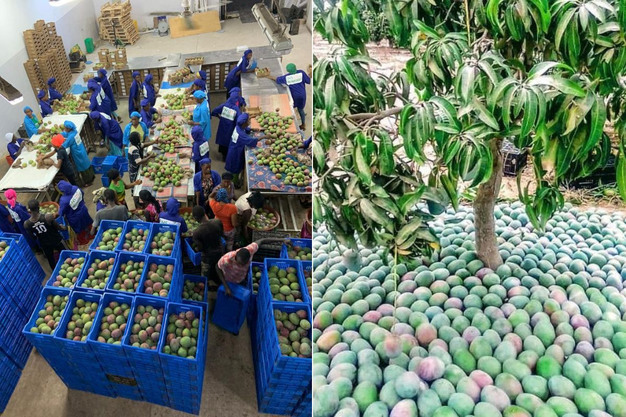 © FNS Agribusiness
On the production front, conditions are more predictable, according to the exporter. "We're seeing good fruit flowering and expect a larger and more uniform sizing than last season. There will be plenty of sizes 8 and 9, and overall, we promise our buyers very good mangoes."
The Senegalese mango season begins in late May, making it the latest mango season in West Africa.
For more information:
Selle Ndoye
FNS Agribusiness
Tel: +221775530148
Email: [email protected] / [email protected]