The Egyptian mango season is progressing amid strong demand, growing interest in Europe for local Egyptian varieties that were previously little known in the European market, and an emphasis on sourcing quality fruit rather than large volumes. This is according to Walid Sallam from the Suez Canal Group for Agriculture.
 © Walid Sallam
Lower volumes due to adverse climate
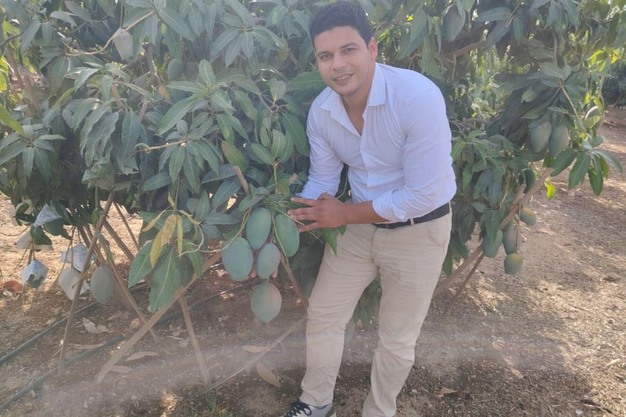
The grower states: "This year, the emphasis in the Egyptian mango industry is on quality rather than quantity. Contrary to our initial forecasts, mango production is only reaching 70 to 80% of usual levels. Several factors have contributed to this decline, starting with weather conditions, particularly the intense summer heat, which was not conducive to high yields. In addition, last season's late harvest exposed many mango trees, especially the younger ones, to excessive stress, resulting in lower yields this year."
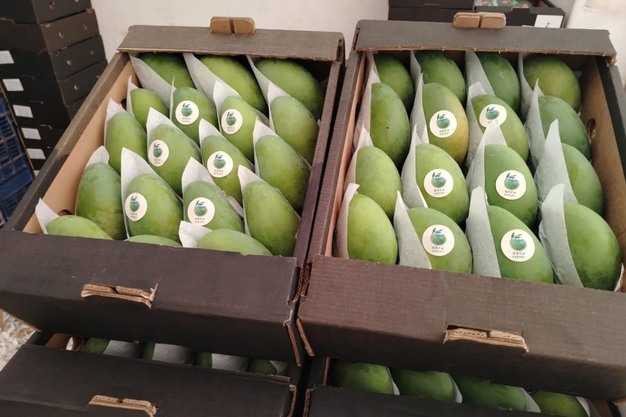
Despite lower volumes, the quality of mangoes, both traditional local varieties and new varieties, is remarkably high, making it easy to supply high-quality mangoes this season. The harvest schedule followed its usual course, beginning in Upper Egypt (Aswan and Luxor), then moving north to Ismailia, and continuing in the Cairo-Alexandria desert road region, including the provinces of Bahira, Menoufia, and Giza," he adds.
 © Walid Sallam
Growing demand for Egyptian varieties
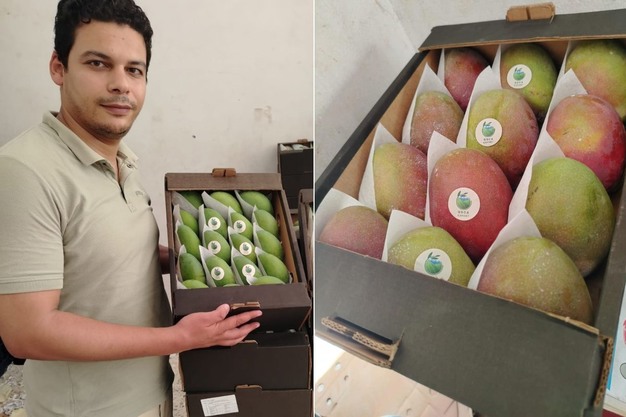
The present season has brought a novelty to the marketing of Egyptian mangoes, according to Sallam, as he notes a growing interest in Egyptian varieties, particularly Owaisi and Naomi, which made a recent debut in European markets. He explains: "An interesting trend this season is the unexpected European demand for local Egyptian varieties such as Owaisi and Naomi. Initially exported in small quantities, these varieties have quickly gained popularity. I was recently asked to set up regular weekly supply programs after our first commercial trial in Austria. We started exporting Owaisi mangoes at the beginning of the season from Aswan, then from Ismailia, and we plan to continue until September. The Naomi mango has also gained popularity in European markets, where its appearance and taste have been well-received, resulting in new orders."
"As for Zebdya, export volumes remain limited. This variety is deeply rooted in Egyptian consumer culture, particularly in households where it is purchased in bulk and frozen throughout the year for making homemade juice. This is why most Zebdya remains destined for the domestic market," the grower adds.
 © Walid Sallam
Strong demand from Russia and Lebanon
As for the most popular varieties on international markets, Keitt mangoes are particularly in demand at the start of the season, according to Sallam. He adds, "Egyptian Keitt mangoes enjoy a strong international demand from August to December, primarily shipped to Russia, Saudi Arabia, and Lebanon. The Russian market, in particular, maintains a high demand for high-quality Egyptian Keitt, as about 60-70% of currently harvested Keitt mangoes have been packed and shipped to the Russian market, especially through the Port of Novorossiysk. The Russian market is known for accepting Class 1 mangoes at competitive prices until December, while Class 2 is traded at significantly lower rates."
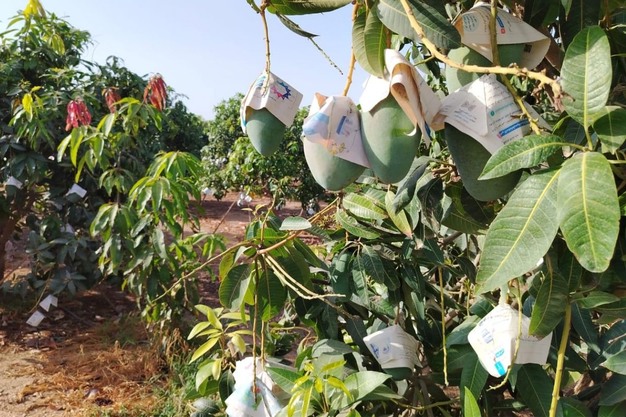
In addition to Russian demand for Keitt mangoes, the Lebanese market is dynamic for the E2R2 variety, according to the grower. "Lebanon remains a loyal and valuable market for Egyptian mangoes. Over the past decade, Lebanese buyers have learned to recognize and appreciate the superior taste and quality of our mangoes, and we note that they place great importance on the appeal of the brand and packaging. Although it is a selective market, once your brand is established there, it tends to build long-term customer loyalty, while it is not easy to replace a trusted brand in Lebanon. Almost the entire E2R2 mango harvest in Egypt is currently exported to this market. The export season for this variety lasts one month each year (July). This year, all grades of this variety were exported mainly to Lebanon, making it "the variety grown for export," as growers like to say," he adds.
 © Walid Sallam
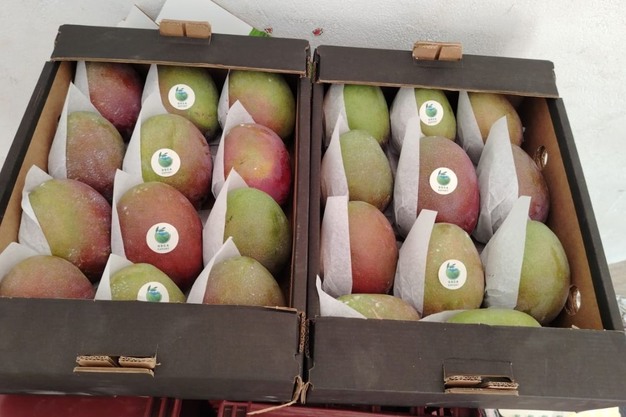
Nevertheless, Egyptian exporters are hoping for an improvement in demand in Western Europe, which, according to Sallam, remains limited due to the limited production of the Kent variety, the most sought-after in this market. He adds: "The quantities of Kent mangoes in Egypt remain limited versus the growing European demand for this variety, particularly in France, England, and the Netherlands. I think this limitation will last at least two years, until the new plantations of this variety enter the harvest phase. In the meantime, we are counting on the Osten variety to access the European market. This is one of the most productive mango varieties grown in Egypt. Renowned for its high yield, consistent quality, and attractive appearance, it is mainly grown for export markets, particularly the European Union. This variety offers a good balance between sweetness and firmness, making it ideal for long-distance transport and retail sale."
 © Walid Sallam
The mango export industry attracts new players in Egypt, advised to adopt good practices
The climate factor is affecting not only volumes this season but also the timing of the availability of different varieties. Sallam explains, "We continue to emphasize the importance of assessing the maturation stage before harvesting, rather than relying solely on a fixed schedule, as weather changes can accelerate or delay physiological maturity, and this has been seen this season in Keitt and Owaisi varieties. Careful handling of mangoes during harvesting and trucking from farms to packing houses should be considered this year to reduce injuries and scratches, especially as we have less production this season. Furthermore, we are currently experiencing heat waves in Egypt. Harvesting should therefore take place in the early morning or late in the day to avoid high temperatures at midday, which can adversely affect the quality and freshness of mangoes, especially colored varieties."
"I have noticed an increase in the number of Egyptian mango exporters this year, as well as the arrival of several new companies in this challenging sector. I wish them all the best, as healthy competition helps to boost Egyptian mango exports. I would also like to draw their attention to the importance of innovation in packaging styles, which will ultimately improve the returns for both growers and exporters," Sallam concludes.
For more information:
Walid Sallam
Group Suez Canal for Agriculture
Tel: +201032167286
Email: [email protected]
www.suezcanal-co.com