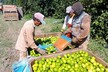
Bruna Brasileiro from Happy Fruit highlighted the market's dynamism and rising international demand for Brazilian fruit, including lemons, grapes, and mangoes.
Brazil remains a key supplier to global markets. "We offer all kinds of tropical fruits and have significant capacity to supply various international markets," she stated, highlighting destinations such as Europe, the United States, and China, as well as new opportunities in Asia for products such as grapes.
 © Happy Fruits
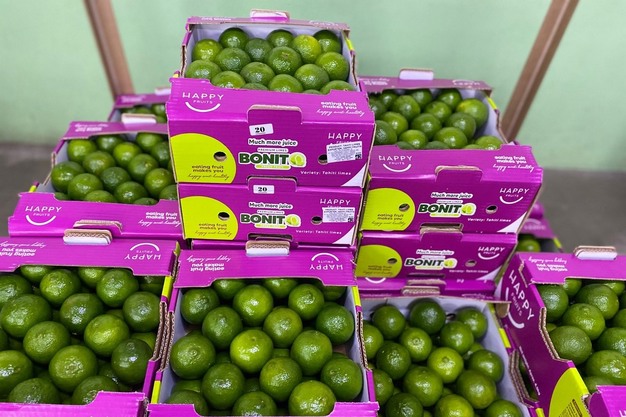
The European market is currently experiencing high demand for Tahiti lime. "In Brazil, prices are high because there is strong demand in Europe," Brasileiro said. According to her, prices have stayed steady since January, which is unusual, as consumption usually drops during the European winter.
 © Happy FruitsThis behavior also reflects a shift in consumer habits. "People in Europe are becoming more familiar with limes; they are gaining ground against lemons," she stated, emphasizing their increasing popularity in drinks and gastronomy.
However, the season has been affected by production constraints. "We have experienced many weeks of rain; there is demand, but we lack the volume to send," she said. Additionally, smaller sizes are less popular in Europe, she said.
Cost pressure is also a concern. The exporter expects fruit prices to rise due to increased input costs. The impact hasn't been felt yet, but Brasileiro believes it will be noticeable in the coming weeks as higher production costs are reflected in purchase prices. Additionally, "we already have an increase in land and sea freight", which adds additional pressure to the chain.
 © Happy Fruits
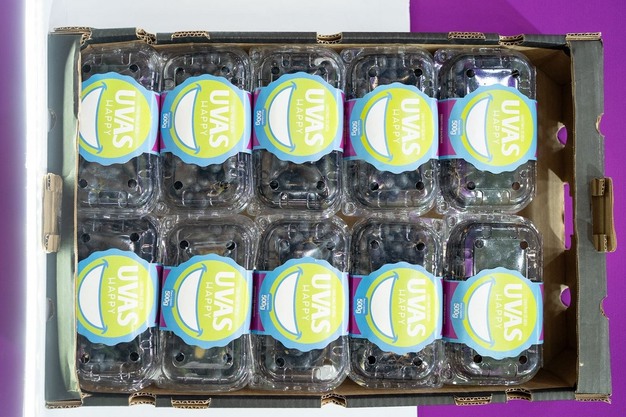
The company mainly works with Vitoria (black) and Isis (red) grapes. Currently, red and white grape volumes are limited, and European demand stays low due to competition from other origins.
The Brazilian grape season peaks in the second half of the year, although initial shipments are expected to decline from April onward. "We are going to make a small volume in April, but the season is in the second half of the year," Brasileiro said.
 © Happy Fruits
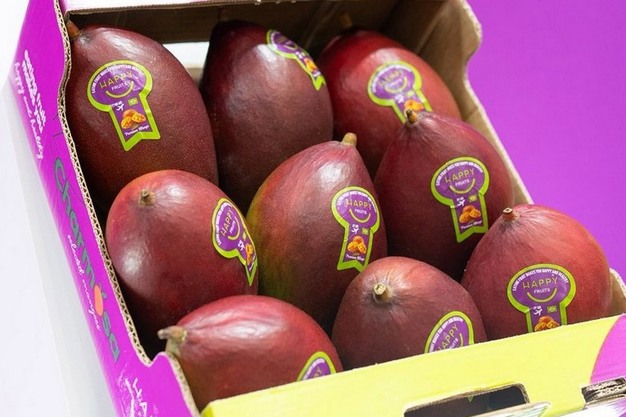
Mangoes, in contrast, are available year-round, with Europe as the primary destination. The different varieties allow different markets to be supplied depending on commercial windows and phytosanitary requirements.
The company plans to diversify its portfolio, starting with avocado and ginger this year, to expand markets and reduce risks, Brasileiro said.
 © Happy Fruits For more information:
Bruna Brasileiro
Happy Fruit
Brazil
Tel: +55 71 9 9987 9761
Email: [email protected]
www.happyfruits.com.br