The fresh produce industry is built on relationships between growers, distributors, and buyers. These connections define how fresh food moves from the field to the consumer. "But today, that definition is incomplete," says Mayra Vázquez with Latin Specialties.
As supply chains have grown more complex, so has the realization that the produce industry does not operate in isolation. It depends on a much broader ecosystem, one that includes not only traditional supply chain partners, but cities, schools, infrastructure planners, logistics networks, and community organizations.
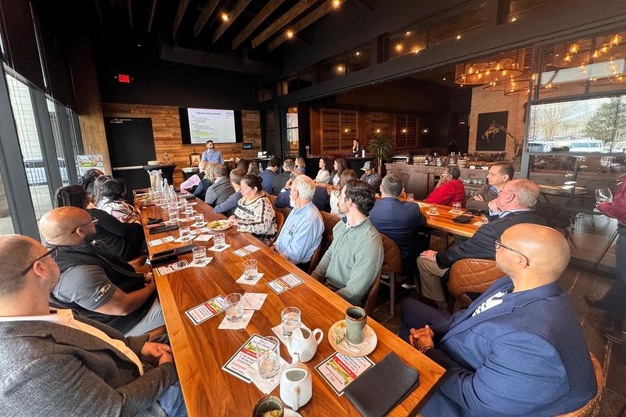
Recognizing this shift, a broader initiative is taking shape in Houston: one focused on redefining the produce ecosystem to include all the stakeholders who influence how fresh food reaches people.
Expanding the table
Through the Texas International Produce Association's (TIPA) Houston Fresh Fruit & Vegetable Association (HFFVA), industry leaders are bringing new voices into the conversation.
- City and regional leadership influencing infrastructure and growth.
- Schools and institutional buyers shaping consumption.
- Community organizations supporting access and education.
- Adjacent industries across logistics, packaging, and technology.
"When these partners are not part of the conversation, the industry operates in silos and opportunities for efficiency, access, and growth are lost," said Vázquez.
 © Latin Specialties
Why a broad ecosystem matters
Fresh produce sits at the intersection of public health and community development. If cities are not aligned, supply chains face inefficiencies. If schools are not engaged, long-term consumption habits are missed. If communities are not included, access gaps remain.
"Expanding the ecosystem is not optional, it is essential for the future of our industry," Vázquez added.
Why Houston
Houston is uniquely positioned to lead this effort. As one of the fastest-growing metropolitan areas in the United States, with strong ties to international trade and one of the most diverse populations in the country, Houston connects global supply with local demand. "Its access to ports, logistics infrastructure, and multicultural markets makes it more than a hub, it is a launchpad for collaboration across sectors."
A call to action and a shared responsibility
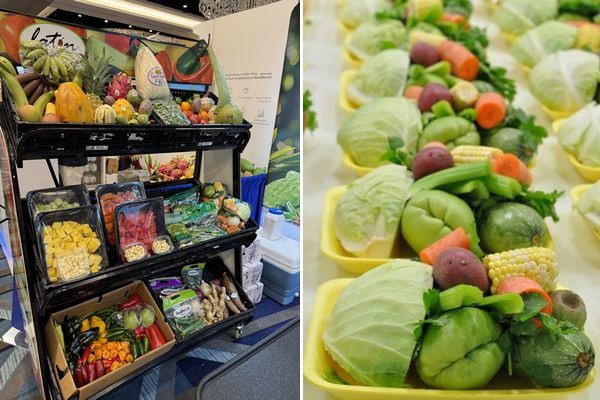
"At Latin Specialties, our expertise across the supply chain reinforces the importance of engaging beyond daily operations, whether through industry associations, public-private collaboration, or community involvement." However, this responsibility does not belong to one company.
Engagement across the produce industry is strong. Many organizations already invest their time, resources, and expertise to drive the industry forward. The opportunity now is to build on that foundation with greater alignment and shared action.
- Industry leaders and companies can deepen collaboration by aligning across the supply chain and supporting initiatives that strengthen efficiencies.
- Cities and public sectors can prioritize infrastructure and policies that improve access to fresh food.
- Schools and institutions can expand partnerships that promote fresh produce consumption and education.
- Service providers and supporting industries can integrate solutions that seamlessly connect this ecosystem.
 © Latin Specialties
Progress does not come from one group alone, it comes from coordinated effort. Houston has the foundation, the diversity of partners, and the momentum to lead. Turning engagement into sustained, collective action. "So ask yourself, where can you fit in?"
 For more information:
Mayra Vázquez
Latin Specialties
Tel: +1 713-986-3862
[email protected]
www.latinspecialties.com