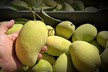
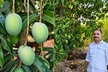
Tanzania has emerged as the 12th largest mango producer globally, with an annual output of 700,000 metric tons and an annual growth rate of 6.7%. The sector is supported by more than 30 mango varieties and is transitioning toward an export-oriented model.
According to the Agricultural Growth Corridors of Tanzania, the industry is shifting from subsistence production to a more structured value chain targeting participation in the US$67.95 billion global mango market.
A key driver is the development of the 'Koga' variety from Mkuranga District, which is positioned for export markets due to its firmness and extended shelf life. Tanzania's harvest window from November to January aligns with the off-season in major northern hemisphere producers such as India and Pakistan, allowing exporters to access supply gaps.
To support sector development, the Canadian government has launched a six-year US$14.6 million programme titled "Her Resilience, Our Planet," aimed at supporting 175,000 farmers, including women and youth, through climate-resilient production practices.
Financial access is being supported through value chain financing models, including warehouse receipt systems and weather-indexed insurance, with participation from TADB, CRDB, NMB, and Exim. Agriculture currently receives 8.5% of private sector credit in Tanzania, with credit growth in the sector reaching 38.9%.
"Our vision is to see Tanzanian mangoes on shelves across Tanzania, Africa, and the globe; we are working hard to overcome challenges and unlock the true potential of the industry as a leading cash crop," said Hamadi Mkopi.
Geoffrey Kirenga of the AGCOT Centre noted that increased production and value addition can support supply into global markets during the southern hemisphere off-season. Dr. Salum Diwani added that mango production can expand across multiple regions, including Singida and Dodoma.
Despite growth in output, the sector faces post-harvest losses of 40 to 45% due to limited cold storage and a lack of large-scale processing capacity for products such as juice, pulp, and dried mango.
Smallholder farmers account for 99% of production, with average farm sizes of 1.4 hectares. This requires coordination through cooperatives to meet sanitary and phytosanitary requirements for export markets.
Government policy adjustments include tax exemptions on technologies for sorting, grading, and packing fruit to support export competitiveness.
Source: TanzaniaInvest