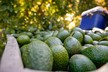
A large avocado season in Australia is driving higher supply, lower prices, and increased export volumes. Production includes two main varieties, Shepard and Hass. A strong Western Australian Hass season was followed by a large Queensland Shepard harvest, increasing availability in the domestic market.
The surplus is moving into export channels, with shipments reaching record levels, according to Lawrence Massasso. "Demand has actually been really strong," he said. "There's pretty much an avocado for every Australian consumer right now."
"We've actually been shifting record numbers of fruit overseas," he said. "Export tends to take the sizes that retail doesn't want to take." Around 20% of the Australian Shepard crop has been exported this season, compared with a typical level of 10%.
International demand has increased, particularly in Asia. Matthew Watt said his business has expanded export volumes. "We're seeing general demand increase," he said. "I think overall, customers, especially in Asia, have accepted avocados more and are using them more in their day-to-day food habits. On top of that, we have increased supply, so we're able to fill more orders and push more volume overseas."
Exports from his business have reached about 10,000 trays per week, compared with around 4,000 trays five years ago. Key markets include Singapore, Hong Kong, and Malaysia, with additional demand from Indonesia and Cambodia. Market access has also expanded to Thailand, India, and Japan.
Despite higher demand and export volumes, increased supply is placing pressure on prices. Avocados are selling for as little as US$0.57 each in supermarkets.
"Growers are doing it pretty tough right now," said Massasso. "Pretty much everything you pick is able to be sold, but pricing is not really going to cover your costs this year."
"We knew that we were in for a big crop following a big Western Australian crop, so growers were understanding that this was going to be a tough year, but it's been an extremely tough year."
Retail pricing remains aligned across the supply chain. "We've got really good relations with retail where you walk into a supermarket, and you'll see it at the front of the store and at a really good price," he said. "I would probably say around about 80 to 90 cents is probably where the growers are getting, so everyone is chipping in at this point."
Source: ABC News