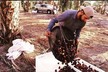
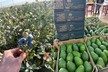
Mango trading at the Nunna market near Vijayawada has been delayed this season, with activity yet to reach normal levels despite the start of the summer campaign.
The market, which traditionally begins trading in early March and gains momentum around the Ugadi period, has not yet seen the usual start, with traders not performing the customary 'Dastram' ceremony. The Nunna mango market, relocated from Kedareswarapeta in 1999 and managed by the Nunna Mango Growers' Association, has historically handled large seasonal volumes.
The market has been supplied by growers from the former Krishna region, including Krishna, NTR, and parts of the Eluru districts, as well as West Godavari in Andhra Pradesh and Khammam in Telangana. It has also attracted buyers from states including Gujarat, Rajasthan, Punjab, Haryana, Delhi, Uttar Pradesh, and Himachal Pradesh.
This season, activity remains limited. The number of traders has declined from around 80 in previous years to fewer than 30. Traders link the slowdown to lower production levels and changes in procurement patterns.
Bulk buyers are increasingly sourcing directly from orchards, bypassing the market and exporting produce without routing it through Nunna. This shift has reduced arrivals at the trading hub.
Growers are also adjusting their sales channels, opting to supply nearby mini-markets and local mandis to reduce transport costs and manage price risks. The expansion of local trading points has reduced the role of the central market.
According to officials, mango cultivation in Andhra Pradesh covers around 4 lakh hectares, with about 62,270 hectares in the former Krishna district. However, expected volumes have not yet reached Nunna.
Market participants indicate that further support measures may be required to restore activity, including improvements in infrastructure, pricing transparency, and incentives for growers and traders.
Nunna Mango Growers' Association general secretary I Srinivas Reddy said that trading is expected to begin by the end of March. He added that trader participation is likely to remain lower than in previous seasons due to reduced yields and a delayed start to arrivals.
Source: The Hans India