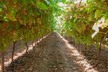
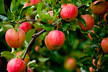
A mild winter in Canada's Okanagan region may lead to an earlier start for the local tree fruit season, according to growers monitoring orchard conditions.
Kirk Kemp, co-owner of B.C. Tree Fruits and Algoma Farms said warmer winter temperatures have led to early signs of bud development in orchards.
"It's been quite a bit warmer than normal, and there's some early signs of green tip in some of the cherries, and I even had a grower I talked to this morning who had green tip on apples, which I was surprised [about]," Kemp told Vernon Matters.
"That's a couple, three weeks earlier than normal. It was a cool week this week, so nothing moved much, I would say, so if it cools back down, it's probably okay, but it's got the making of an earlier start. I don't think we're ever going to get away with a traditional start this year. With no snow, the soil is warmer than normal, but I think it's going to be an earlier start."
As of March 13, Kemp said buds in Okanagan orchards were developing well after the 2025 harvest.
Despite early development, Kemp said the coming weeks will determine the timing of the season.
"Once a tree gets active, any little surge of temperature, they just push against. They don't ever retract, they just move, stop, move some more," Kemp said.
"So it is concerning that it is this early, but the next month is crucial. If it's above temperature, [the trees will grow] too fast, if it's average and below, it will just slow things down and probably just get closer to normal, but I would suspect that it's going to be hard to have an average start."
Frost risk remains a concern if bud development progresses early.
"The most vulnerable time is when apple trees are in bloom," Kemp said.
"They can only take -2° C, so if they're too far advanced and you get your normal weather and it's early, then your chances of getting a -3° C to -6° C a couple of nights, and that's when you can run into trouble."
"You've probably seen that there are a number of [growers] that have got those frost fans out in the farms. That can help mitigate it, but [the risk persists] as they can only move the temperature two to three degrees, so they're not miracle workers, but they assist."
Kemp also noted that low winter snowfall has reduced soil moisture, meaning irrigation may start earlier.
"There was so little snow this winter that the soil moisture is quite low and [growers] will probably have to start irrigating much earlier," he said.
Source: Vernon Matters