Natural compounds found in dark sweet cherries may help slow the growth and spread of triple-negative breast cancer, according to research from Texas A&M University.
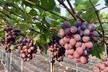
The study focused on anthocyanins, plant pigments responsible for the deep red colour of fruits such as dark sweet cherries. Researchers examined how these compounds influence triple-negative breast cancer, a form of the disease known for limited treatment options and a higher risk of metastasis.
Scientists from the Texas A&M University College of Agriculture and Life Sciences, Texas A&M AgriLife Research, and the College of Veterinary Medicine & Biomedical Sciences (VMBS) reported that anthocyanin treatment slowed tumour growth, reduced cancer spread to multiple organs, and altered gene activity linked to metastasis and therapy resistance.
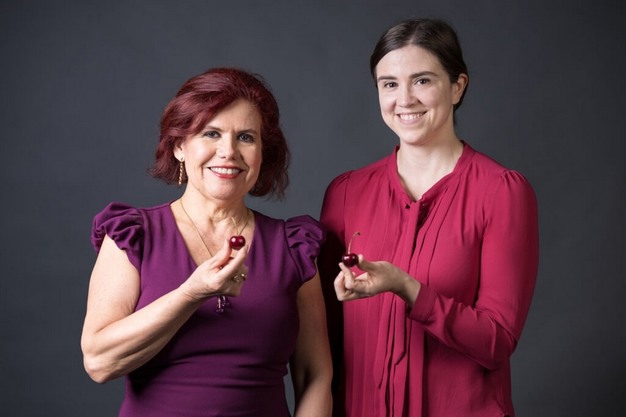 © Texas A&M Veterinary Medicine & Biomedical Sciences
"Triple-negative breast cancer is considered 'the worst' because it is more aggressive, higher grade, and has a higher mitotic index, meaning the cancer cells divide quickly," said Dr. Giuliana Noratto, AgriLife Research associate research scientist in the Department of Food Science and Technology. "All these characteristics make it more likely to spread to distant organs and recur compared to other breast cancer types."
Unlike other breast cancer types, triple-negative breast cancer lacks estrogen receptors, progesterone receptors, and the HER2 protein, which regulates cell growth. Without these targets, treatment options are more limited.
Researchers designed the study to evaluate both tumour growth and metastasis, which is the main cause of cancer-related deaths.
"This is important because cancer lethality is primarily due to metastasis," Noratto said. "A large primary tumor that does not metastasize may be more manageable, even curable if removed."
Mice in the study were divided into four groups: a control group, a group that received anthocyanins before tumour implantation, a group treated with the chemotherapy drug doxorubicin after tumours developed, and a group that received both anthocyanins and chemotherapy.
Mice receiving anthocyanin-rich cherry extracts before tumour implantation showed slower tumour growth without noticeable side effects and maintained weight during the study period. Chemotherapy-only treatments sometimes resulted in weight loss and slower tumour growth later in the study. When anthocyanins were combined with chemotherapy, tumour growth slowed earlier while weight remained stable.
 © Texas A&M Veterinary Medicine & Biomedical Sciences
The research team also examined gene expression in tumour cells. Anthocyanins reduced activity in genes associated with cancer spread and therapy resistance. The treatment also reduced the spread of cancer to the lungs and lowered the likelihood of metastasis to organs, including the liver, heart, kidneys, and spleen.
"What we're understanding about cancer now is that no single treatment is going to be effective against a cancer," Stranahan said. "You're going to have to employ a number of different treatments."
Researchers said further studies are required to better understand how anthocyanins affect tumour behaviour and how they may be used alongside existing cancer treatments.
For more information:
Texas A&M Veterinary Medicine & Biomedical Sciences
Tel: +1 979 845 5051
www.vetmed.tamu.edu