The surge in transportation and logistics costs following the outbreak of war in the Middle East is putting pressure on the fresh produce trade, particularly for strategic and sensitive products such as potatoes, for which Gulf countries rely on Egyptian supplies. According to Yassen Abdelhay, an Egyptian potato exporter, exceptional circumstances call for exceptional temporary measures. Among the most effective measures that come to mind, Abdelhay proposes allowing empty trucks to enter the Egyptian territory.

For context, empty trucks are currently not allowed to enter the country. Abdelhay explains: "Under current land transport regulations, foreign trucks are generally not allowed to enter Egypt empty. This policy exists for several reasons: to protect the domestic transport sector, as it ensures that Egyptian trucking companies and drivers retain a fair share of freight operations, thereby protecting jobs and investment in the domestic fleet; reciprocity, as many countries apply similar restrictions to Egyptian trucks, only allowing foreign trucks to operate under balanced or reciprocal conditions; and finally, it helps to ensure market balance and regulation, as limiting empty foreign trucks helps to prevent excessive competition that could destabilize freight rates and disrupt the local transport market.
While this rule aims to maintain fair competition and stability in Egypt's land transport sector under normal conditions, it becomes a burden for Egyptian exporters of potatoes and other crops, particularly those exporting to Gulf countries, according to Abdelhay.
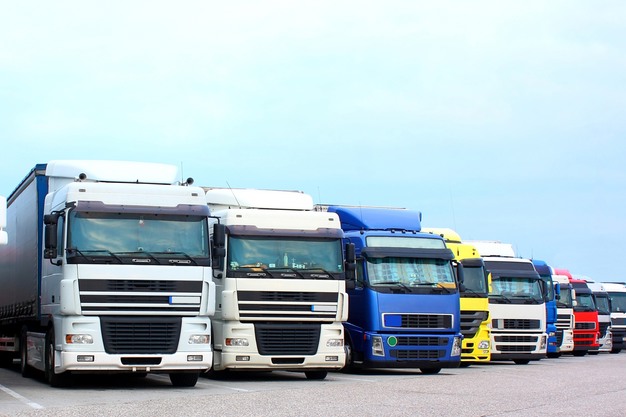
The exporter argues that "temporarily allowing foreign trucks to enter Egypt empty could reduce transport costs, mainly by increasing the availability of trucks in the market. Having more trucks available for export shipments provides exporters with additional transportation options and alleviates pressure on demand. In tough times like the present, this fosters competition among carriers and better utilization of capacity, which helps stabilize or even reduce freight rates."
 © Stangot | Dreamstime
Egyptian exporters are already paying the equivalent of a round trip, which further justifies the entry of empty trucks. Abdelhay explains: "As demand for transport between Egypt and the Gulf is generally higher than in the opposite direction, Egyptian exporters usually cover most of the cost of the round trip as part of the normal export freight rate. In addition, currently, due to logistical disruptions and a shortage of available trucks, transportation prices have increased significantly. In many cases, the freight rate paid by the Egyptian exporter already covers the cost of the entire round trip for the truck."
According to Abdelhay, several crops could benefit from such a measure, not least potatoes. He adds, "Potatoes are one of Egypt's main agricultural exports to Gulf markets and are particularly sensitive to logistical challenges because they are seasonal and have a limited shelf life. Disruptions caused by the war are affecting potato exports in several ways: increased transportation costs, which reduce exporters' profit margins; delays in shipments, which can impact the freshness and quality of the products; and uncertainty in the supply chain, which makes it more difficult for exporters to plan contracts and delivery schedules with buyers.
As a result, logistical disruptions could reduce export volumes unless transport capacities and costs are stabilized. It is also important to mention that these temporary regulations should ideally be implemented through coordination and mutual understanding between Egypt and Arab countries, to ensure that this agreement promotes trade flows while maintaining balanced transport regulations between all parties, for the ultimate goal of preserving food security for populations under these difficult conditions for everyone," Abdelhay concludes.
For more information:
Yassen Abdelhay
Arafa for export and agriculture development
Tel/WhatsApp: +20 1007244471
Email: [email protected]
www.arafatrade.com