Kenyan avocado exporters are anxiously following developments in the Middle East, as logistical disruptions in the Red Sea could have a significant impact on their accessibility and competitiveness in international markets. Benard Mutai, managing director of Afrisun Orchards, an exotic fruit grower and exporter, shares his insights.
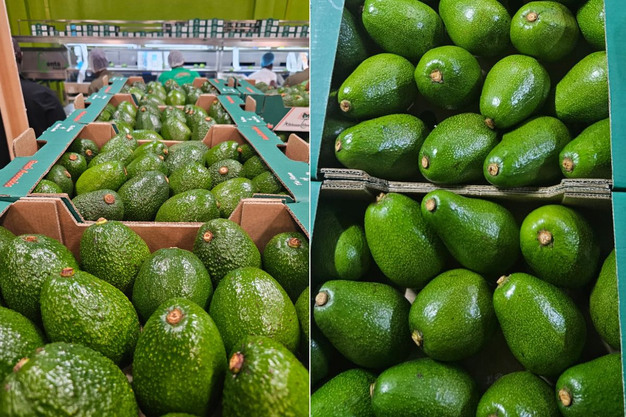 © Afrisun Orchards
Improved production after initial fears
Previous statements from players in the Kenyan avocado industry reported a decline in production, both in volume and size, due to irregular and insufficient rainfall. However, weather conditions have improved over the past two weeks, according to Mutai.
The producer explains: "We had a long dry season and a delayed rainfall, which led to a downward revision of our initial production forecasts. However, we have had significant rainfall over the past two weeks, which is consistent with climate change, as these rains are usually seen at the end of March. In any case, this rainfall is sufficient to improve volumes and sizes within three to four weeks."
The first off-season harvests have already begun for green skins and the Hass variety, according to Mutai. The actual start of the season, marked by the official announcement by the Kenyan authorities, is expected in the coming days, the grower adds.
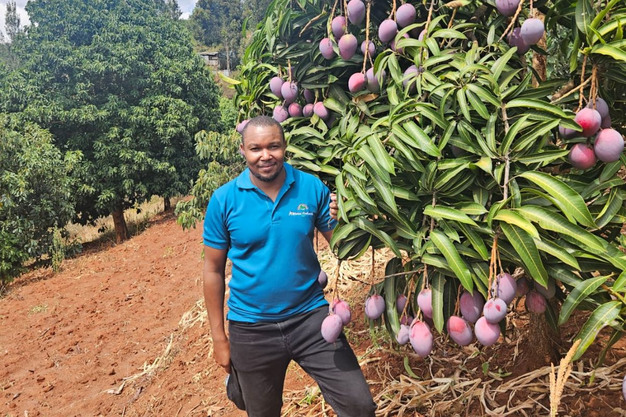 © Afrisun Orchards
The situation in the Red Sea could change the fate of the export season
Despite the improvement in production, the outbreak of war in the Middle East and the return of the crisis in the Red Sea could complicate the marketing of Kenyan fruit. Mutai sums up the current situation: "The shipping company we work with has informed us that it is no longer accepting bookings for shipments to the Gulf countries, an important destination for Kenyan avocados. Bookings to Europe are still possible, but we fear that increased transport costs will make our avocados uncompetitive."
"We are waiting to see how European buyers respond to the situation, and how apprehensive or confident they are about sourcing Kenyan avocados this season. Furthermore, our logistics costs are already high, and any risk surcharges that shipping companies might apply could make our fruit simply uncompetitive in the European market," Mutai continues.
Alternative markets may save the campaign
Kenyan exporters have had to deal with the Red Sea crisis for a long period and have developed their resilience and adaptability. The local avocado processing industry, particularly oil distillation plants, led the way. Mutai says: "The local processing market was a lifeline at the height of the Red Sea crisis. The good news is that the industry has grown significantly, and there are now more than 70 avocado oil factories. I believe it will play an important role in absorbing our production and supporting prices."
 © Afrisun Orchards
In addition to the local market, Kenyan exporters knocked on many doors when the European market was difficult to access during the last two seasons. Two export markets in particular have emerged: India and China.
"We are also counting on continued growth in these two markets," Mutai said. "It's not an easy task. On the one hand, India applies high tariffs of 30% on Kenyan avocados. On the other hand, the export process to China, where the tariff is zero, requires an approval procedure for each exporter and can be complicated," the grower continues.
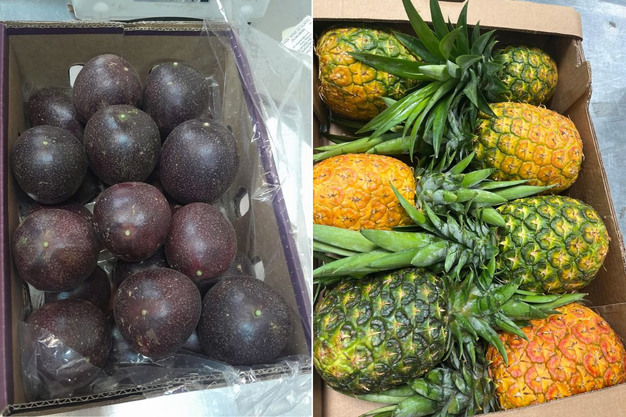
"We will see how the season unfolds and hope for the best. For our part at Afrisun Orchards, we are sparing no effort in improving fruit quality, both in our own orchards and those of producers whom we supply with certified and subsidized seedlings. We will eventually find a good market, and the work ahead is to improve quality in the long run and our capacity to supply not only avocados, but also mangoes, passion fruit, and pineapples," Mutai concludes.
For more information:
Benard Mutai
Afrisun Orchards
Tel: +254729231806
Email: [email protected]
www.afrisunorchards.com