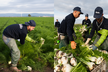
Over the past five years, the fennel sector has undergone profound changes, marked by production variability, climate pressure, and a growing role for genetics. According to Ciro Paolillo of the Campania-based company Paolillo, acreage has fluctuated without a clear upward or downward trend. Specialized growers plan annually, while non-specialized farms often plant fennel opportunistically, influenced by the previous season's prices. "This mechanism creates imbalances that can affect the entire sector," Paolillo explains.
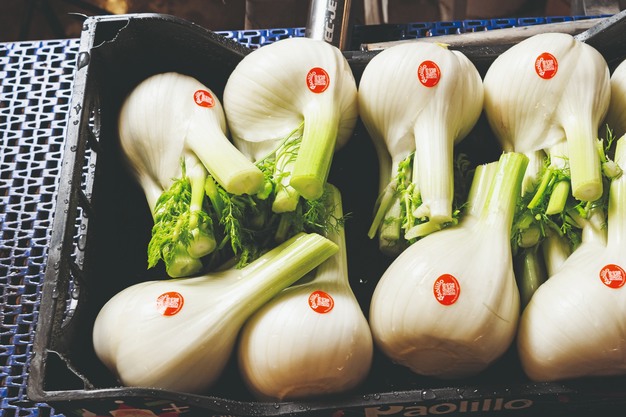 © Paolillo
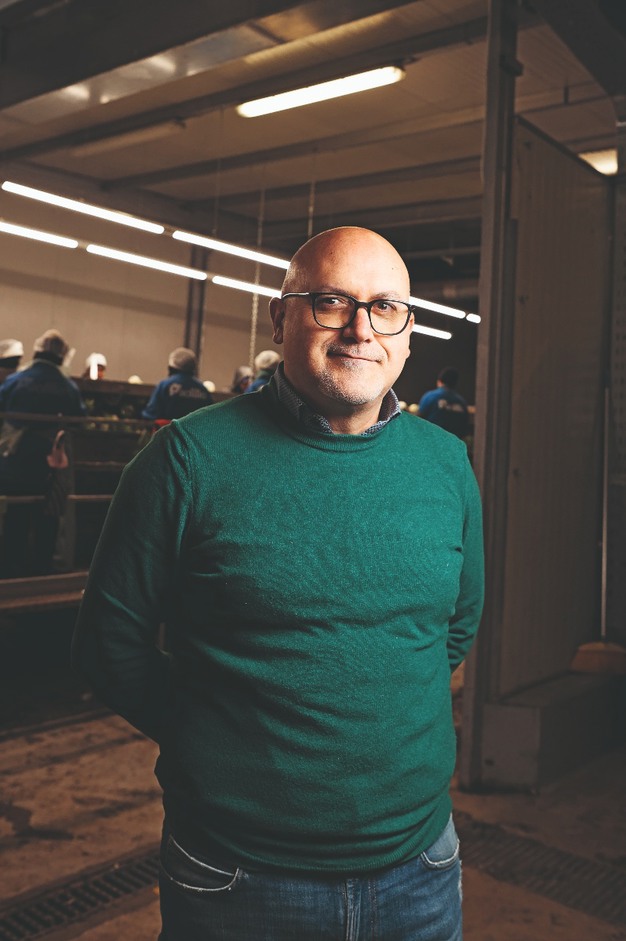 © Paolillo
Climate impact on yields
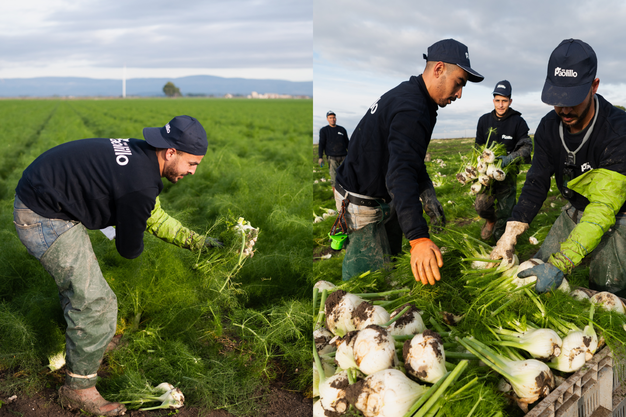
While planted areas vary, the climate has had an even greater impact on yields and continuity of supply. As an open-field crop, fennel is highly sensitive to extreme weather. Recent cold spells and heat waves, including summer temperatures near 40°C, have reduced availability, pushed prices upward, and complicated sales planning. Rather than "good" or "bad" years, Paolillo describes critical periods within each season.
Genetics reshaping the sector
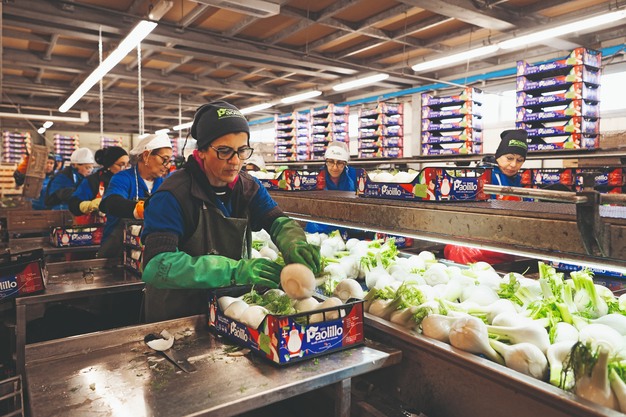
The most significant transformation, however, has come from genetic innovation. "Over the past five to ten years, we've seen a generational shift in varieties," Paolillo notes. New genetics have extended the production calendar and improved agronomic performance. In Apulia's Foggia area, for example, harvesting once began at the end of November; today it can start in mid-October, thanks to August transplants and more resilient varieties. This evolution has enabled a more uniform year-round supply and consistent quality.
 © Paolillo
Export markets evolving
Italy remains a net exporter of fennel, ranking seventh among exported vegetables. Around 85% of exports go to EU countries and 15% to non-EU destinations, mainly Switzerland and the United Kingdom. Germany remains the largest market in volume but has shown limited growth. The UK, however, has doubled its share over the past decade, rising from 5% to nearly 10%, even after Brexit. Paolillo's exports typically account for 7–8% of total sales, peaking at 10% in some periods. Export markets mainly prefer medium to small sizes.
Domestic consumption in Italy has remained stable, while foreign demand has grown, supported by more reliable quality and extended seasons.
 © Paolillo
Retail growth and price dynamics
Price volatility remains characteristic of fennel, but minimum sustainable prices have risen since COVID-19 due to energy costs and inflation. Aggressive promotions are no longer feasible. Large-scale retail has expanded significantly, gaining ground over traditional markets. For structured companies like Paolillo, this shift is positive: "Retail requires reliability, continuity, and organization."
Looking ahead, Paolillo sees varietal research as key. "The market rewards those who can consistently provide a recognizable product. Continuity of supply is the real differentiating factor today."
For more information:
Società Agricola Paolillo s.r.l.
Via Stabia, 354
80054 - S. Antonio Abate (NA)
Tel: +39 393 93 61 160
www.Paolillosrl.com